
Meghan Markle’s distant father, Thomas Markle, faced a severe medical emergency that forced surgeons to take immediate action — resulting in the removal of his left leg below the knee after a rapid, life-threatening complication.
According to his son, Thomas Markle Jr., the situation escalated frighteningly fast. He explained that Thomas Sr.’s foot had rapidly changed color — first blue, then black — signaling a complete loss of circulation due to a blood clot. “It happened unbelievably quickly.” “My dad is being incredibly brave.”

The emergency unfolded in the Philippines, where Thomas Sr. now lives. After initial scans at a local clinic showed the severity of the damage, he was immediately transferred by ambulance to a larger hospital in Cebu. There, surgeons operated for nearly three hours to remove the damaged limb.
Doctors say he isn’t out of danger yet. A second surgery is already planned to address a clot in his thigh, and medical teams warn that the next several days are critical, especially given his age and vulnerability to infection. One specialist noted that the blackened tissue was already dying and could have led to sepsis or worse if they hadn’t acted immediately.

“This was a life-or-death situation,” his son emphasized. “There was no other option. It was operate now or lose him.”
While his siblings Samantha and Thomas Jr. remain by his side, Meghan Markle and Prince Harry have made no public comment about the crisis. Samantha suggested that the years of emotional strain have taken a toll on their father’s health, describing him as “strong, but exhausted by everything he has endured.”

This isn’t Thomas Sr.’s first serious medical emergency. He was unable to attend Meghan’s royal wedding in 2018 due to heart surgery, and years later, while residing in Mexico, he endured a debilitating stroke.
Thomas Sr., now 81, shares Meghan with ex-wife Doria Ragland. His two older children, Samantha and Thomas Jr., come from his first marriage.
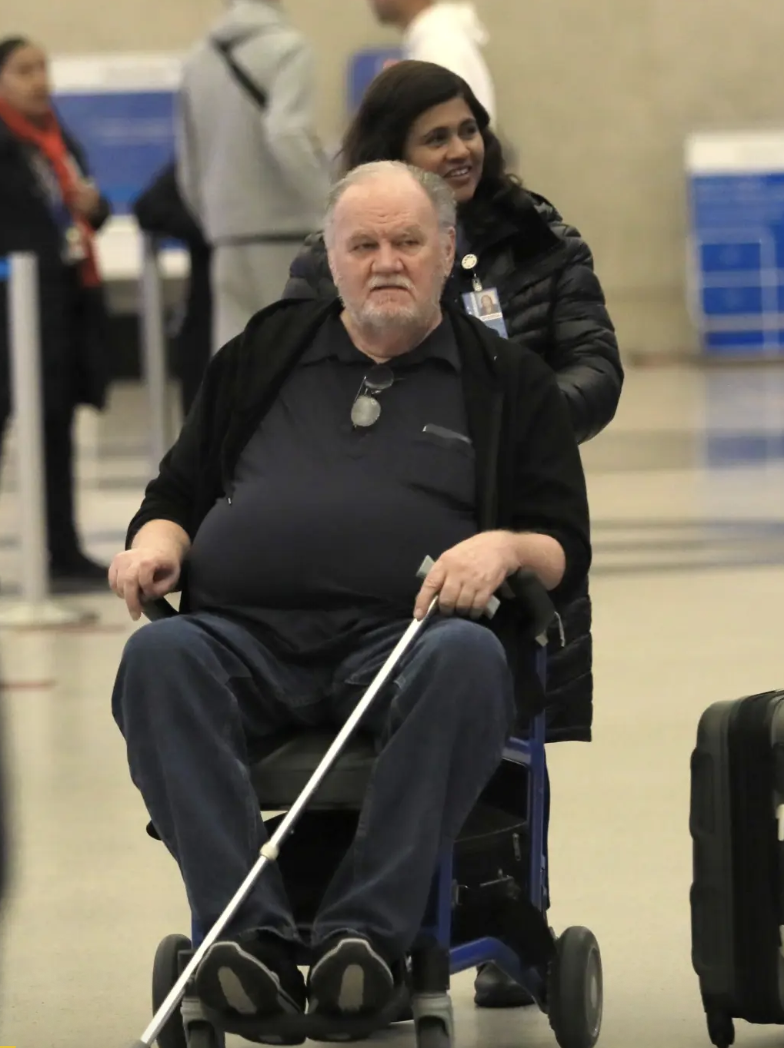
Doctors remain cautiously optimistic — but warn that his condition could shift quickly. The next 24 to 72 hours, they say, will determine the outcome.