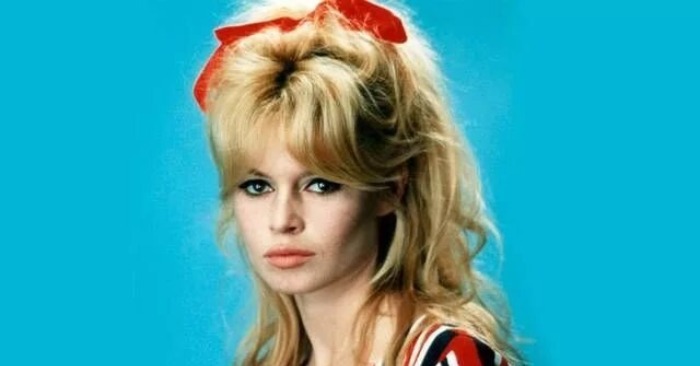
For a brief moment last year, rumors from the French Riviera sent shockwaves through Europe: Brigitte Bardot had been hospitalized. The panic faded almost instantly when she brushed it off with a curt dismissal, insisting she wasn’t going anywhere. Still, the episode underlined a truth even legends can’t escape—time spares no one, not even the woman who once redefined desire itself.
Bardot’s retreat from the world is as striking as her rise was explosive. The blonde force who reshaped femininity in postwar Europe now lives surrounded by silence, nature, and locked gates. Her later years—marked by isolation and controversy—stand in sharp contrast to the liberation she once embodied. Born on the same day as Sophia Loren, she was her opposite in every sense: where Loren symbolized classical Mediterranean glamour, Bardot became rebellion with bare feet and tousled hair.
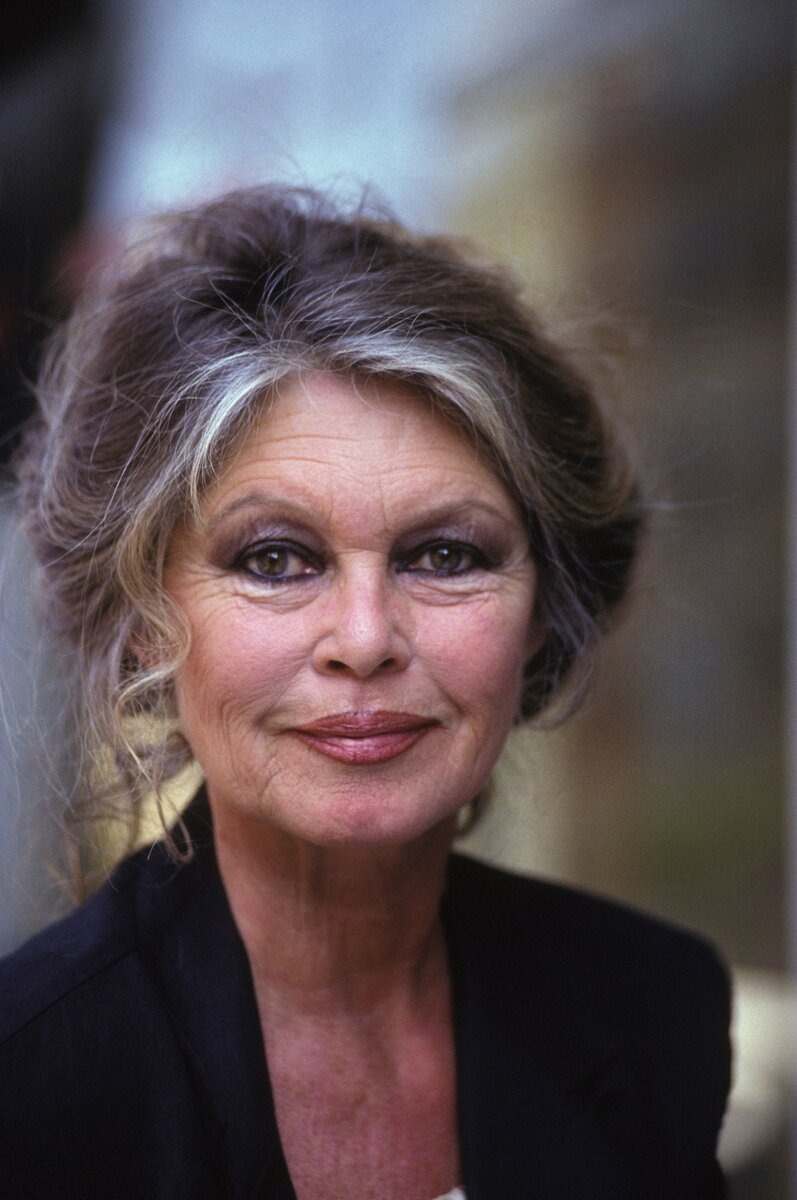
Her detonation came in 1956 with And God Created Woman, a film that didn’t just provoke critics—it rattled entire moral systems. Outrage followed everywhere: protests in the United States, bans and delays across Europe, furious editorials denouncing her as indecent. Yet the damage was done. Bardot had turned movement, youth, and sensuality into a manifesto. Corsets vanished. Heels came off. A new female freedom walked barefoot onto the global stage.
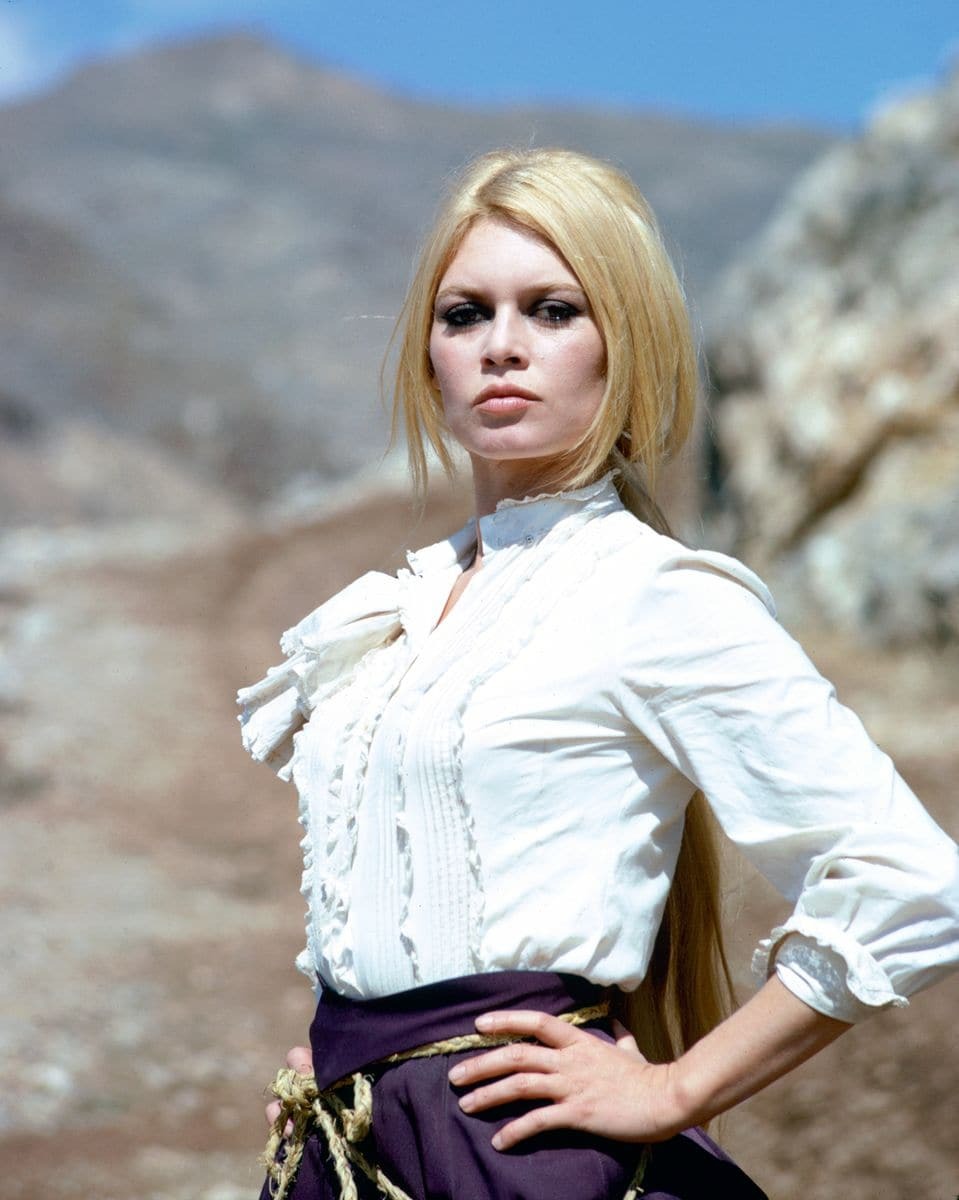
Unlike many icons, she wasn’t crushed by intellectual scrutiny—she was embraced by it. Thinkers of the era saw in her something radical: a woman living through instinct rather than permission. She rejected makeup, ceremonies, red carpets, and even success itself. Commitment bored her. Dependence repelled her. Freedom, to her, was not a slogan but a reflex.
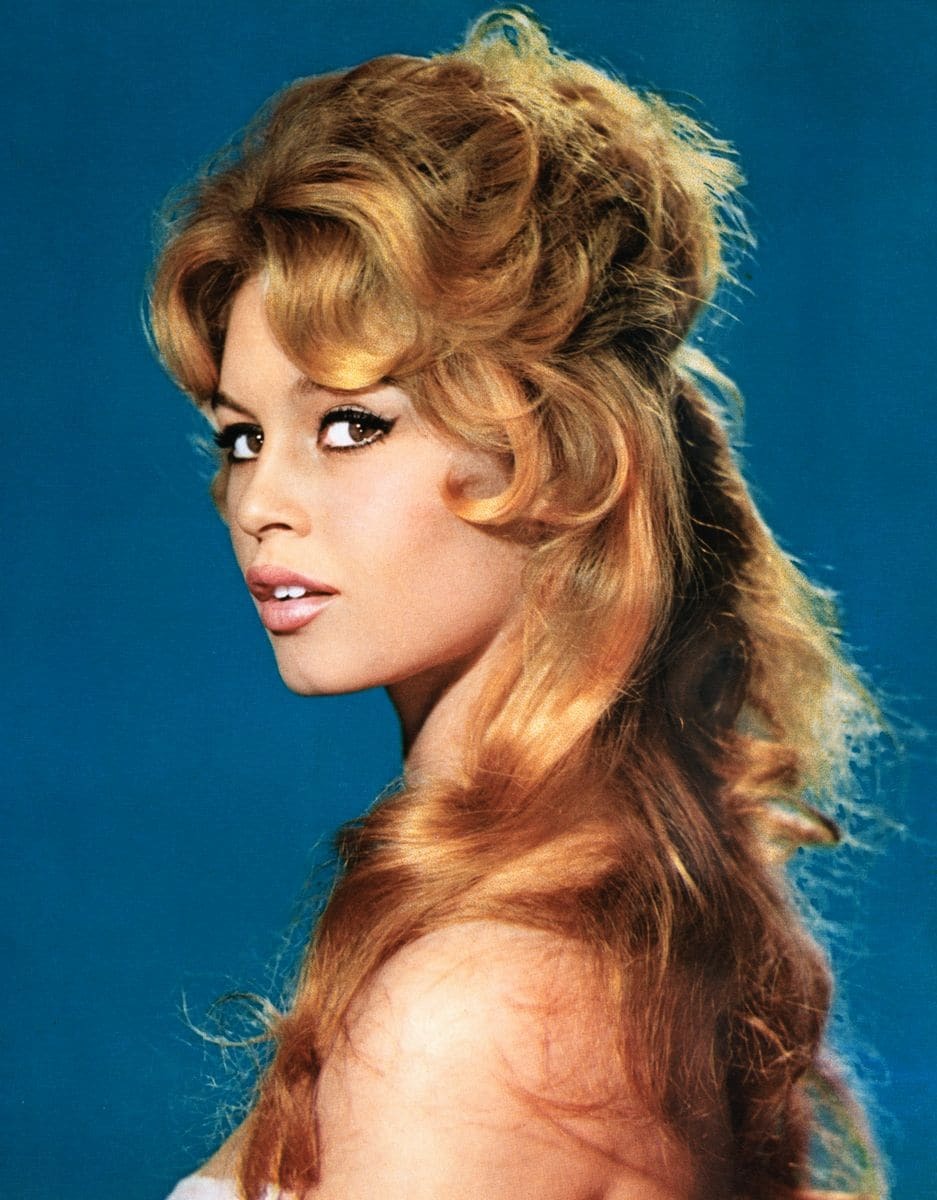
Her personal life burned just as fiercely. Relationships overlapped, marriages collapsed, lovers came and went with volcanic intensity. Musicians, actors, heirs, outsiders—she wanted without apology and left without regret. Even motherhood failed to anchor her. Passion ruled, permanence did not. At the height of her fame, she belonged only to herself.
Then came the vanishing act. At just 38, Bardot walked away from cinema entirely, abandoning adoration for solitude. She retreated to La Madrague in Saint-Tropez, transforming from global fantasy into a hermit with a cause. Animals replaced people. Activism replaced applause. Her devotion to animal rights became absolute—so absolute that it hardened into something darker.
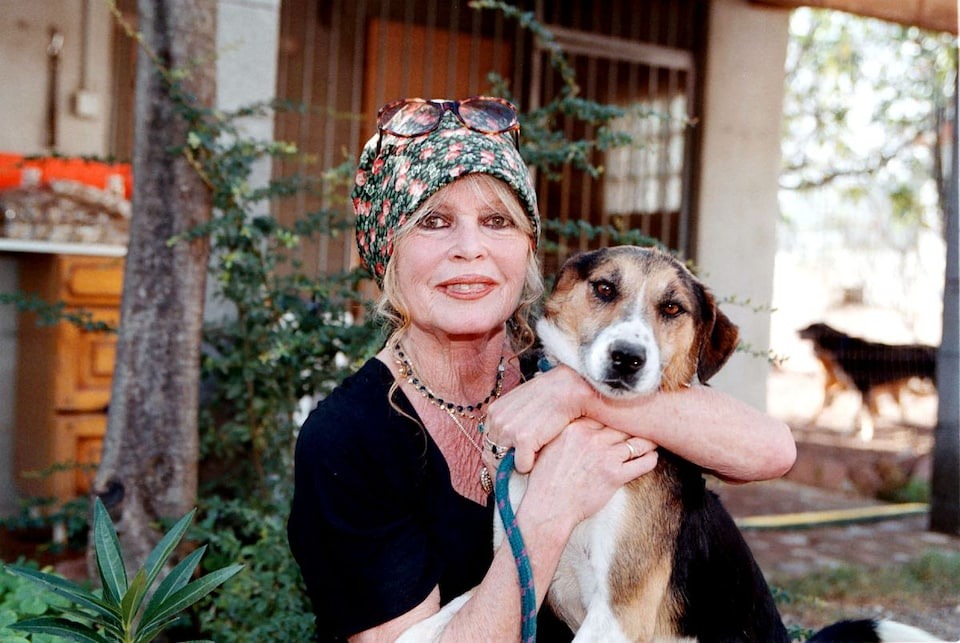
Here lies the paradox that defines her final chapter. The woman who once shattered social boundaries gradually embraced rigid, exclusionary views. Her public statements sparked outrage, court cases, and condemnation. The icon of liberation became a symbol of ideological retreat. The rebel turned judge.
Bardot herself has acknowledged the fracture. Looking back at old photographs, she no longer recognizes the girl who stared back at the world with fearless hunger. Fame, beauty, adoration—she had it all. And yet, by her own admission, happiness remained elusive.
Perhaps that is her truest legacy: proof that radical freedom can liberate—and isolate. That icons can inspire generations while becoming strangers to their own myths. And that even those who change the world may end their days hidden from it, protected by walls no applause can penetrate.