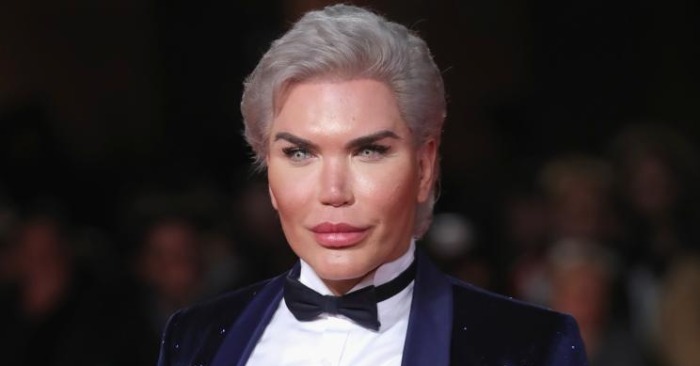
In 2020, Rodrigo Alves, once known as the “Human Ken Doll,” made an announcement that would change his life forever: he would no longer live as Rodrigo and was embracing a new identity as Jessica. To fully embody his true self, Alves underwent an intense six-hour “transition” surgery.
Upon waking up, Jessica shared her emotions, saying, “For the first time in my life, I truly feel like myself,” marking the beginning of a new chapter in her life.

Since then, Jessica has continued working with surgeons to refine her appearance, recently sharing new photos showcasing her transformation. The images, meant to celebrate her identity as “the woman of her dreams,” sparked a heated debate online. Some praised her courage, while others questioned the aesthetic of the numerous procedures.

Reactions on social media were sharply divided. Some users applauded her pursuit of happiness, writing, “Everyone has the right to be happy,” while others criticized her appearance with comments like, “I haven’t seen a single successful transition” or “Is this really femininity?” Many debated whether Jessica’s appearance represented an authentic expression of femininity or if it was excessive.

Despite the criticism, others defended Jessica, arguing that her journey was about personal fulfillment rather than public approval. Fans emphasized the importance of living authentically and applauded her courage in embracing her identity despite the scrutiny and harsh opinions of online observers. For Jessica, this process represents harmony with herself after years of transformation and personal discovery.


Ultimately, Jessica Alves’ story raises questions about identity, beauty standards, and public perception. While opinions remain divided, one thing is clear: she has made a bold choice to live as her true self. Whether it’s a courageous step towards happiness or a media spectacle, her journey continues to provoke reflection and conversation on what it really means to be authentic.