I went into wedding planning thinking the hard part would be seating charts and flower choices.
I was wrong.
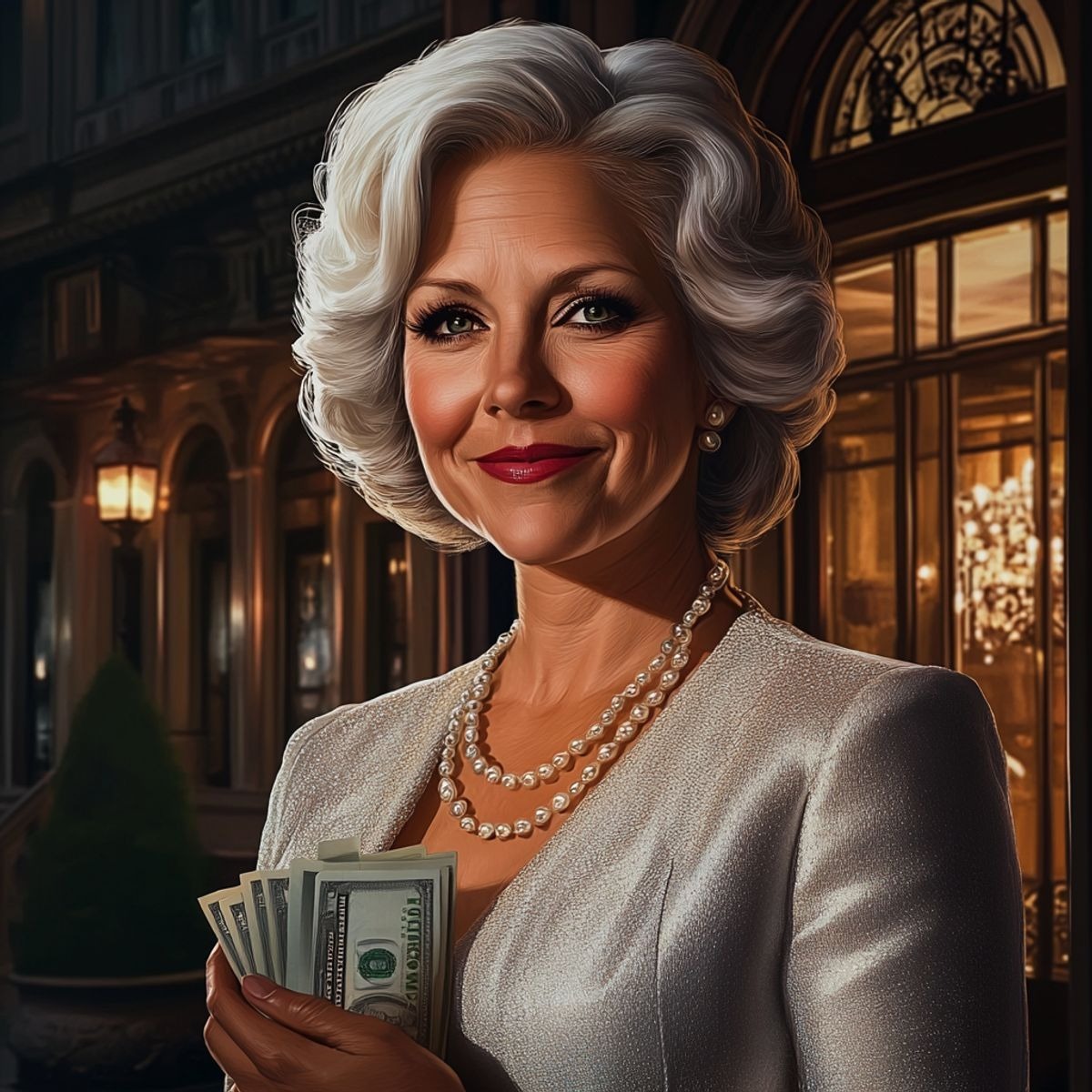
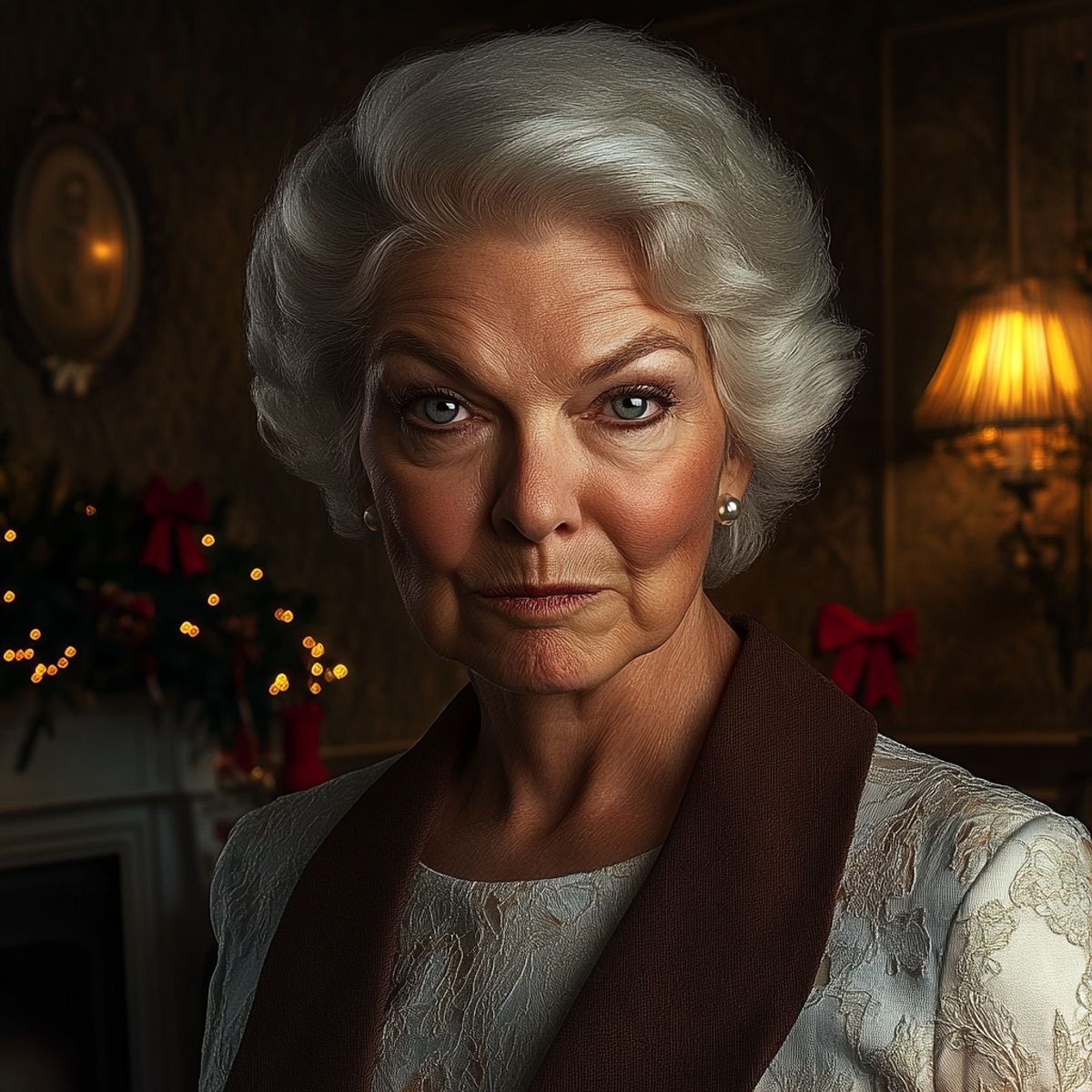
The real battle showed up wearing pearls, smiling like a hostage negotiator, and treating my wedding like a stage built for her reputation.
My name is Hannah. I’m 31. And I should’ve known trouble was coming the second my fiancé’s mother, Patricia, heard the words “small and simple.”
Ethan and I had been together five years. Our dream was cozy: a quiet vineyard, good food, handwritten vows, and little jars of jam my mom would make as favors. Something that felt like us—warm, honest, unfussy.
Patricia heard “unfussy” and translated it as humiliating.
She was obsessed with how things looked from the outside. The kind of woman who pressed cloth napkins and rehearsed her laugh. Ethan grew up watching her compete with wealthier families, trying to keep up with people who collected status like trophies.
So when I didn’t want the wedding she could brag about, she didn’t hear a preference.
She heard an insult.
At brunch one Sunday, she cornered me like it was casual conversation.
“A backyard wedding?” she said, stirring her tea like she was mixing a threat into it. “Hannah, you’re marrying into a respectable family. People will talk.”
I tried to keep my voice light. “We just want something intimate. Our budget is tight, and my parents can’t really—”
She cut me off without even looking up. Her thumbs were already moving across her phone.
“Don’t worry about your parents,” she said. “I’ll handle it.”
And she did.
Completely.
Once Patricia took the wheel, she didn’t just steer—she ripped out the passenger seat and told us we could walk.
Vineyard? Suddenly we were touring ballrooms.
Handwritten vows? “Too informal.”
Guest list? Tripled.
Band? Upgraded.
Menu? “Elevated.”
Every time Ethan or I tried to push back—carefully, politely—Patricia’s favorite weapon appeared:
“It’s already paid for.”
Translation: You don’t get a vote anymore.
My parents never pretended they could contribute much. My dad, Charles, is a retired mechanic. My mom, Linda, works part-time at a library. They’d told me early on, gently and honestly, that finances were tight.
But they still gave what they could.
My mom folded paper cranes for weeks—hundreds of them for table décor. My dad practiced a speech in our kitchen that made me cry before he even finished the first paragraph.
They weren’t paying in cash.
They were paying in love. In effort. In pride.
The night before the wedding, I stood in my dress half-laced, trying to breathe through the nerves. I looked at Ethan and said, quietly, “No matter what this day turns into… as long as my parents are there, it’s still okay.”
“I know,” he whispered. “They’re going to be so proud of you.”
The wedding day was… enormous.
Crystal chandeliers. Champagne towers. A string quartet playing Coldplay like it was a royal event. I walked down the aisle telling myself to focus on Ethan’s face, not the fact that I felt like a guest at my own life.
Ethan looked at me like I was the only person in the room.
“You’re my forever,” he murmured at the altar.
For a few minutes, I believed the rest didn’t matter.
Then came the reception.
The ballroom buzzed with polished conversations—finance guys in tailored suits, women in heels that probably had names, people I couldn’t place but who greeted Patricia like she was the star of the show. Waiters glided by with silver trays and tiny foods you had to pretend were satisfying.
At the far end of the room, my parents sat quietly with my siblings.
Not because they were ashamed—because they weren’t auditioning.
My mom kept smoothing her dress. My dad sat stiff with nerves, still proud, still present, still trying.
I caught my mother’s eye and mouthed, You okay?
She nodded.
But I saw her swallow hard.
Then Patricia stood, tapped her spoon against her glass twice, and smiled like the room belonged to her.
“I’d like to say a few words,” she announced.
The music stopped. The crowd softened into expectant silence.
She started sweet—something about family, blessing, tradition—and then, like a switch flipped, her voice sharpened.
“You know,” she said, scanning the room, “it’s really a little embarrassing when people think they can show up to a wedding they didn’t contribute a single cent toward.”
My stomach turned to ice.
The clinking stopped. Faces turned. The air changed.
Ethan leaned toward her, low and urgent. “Mom. Please don’t.”
Patricia waved him off with a glittering smile.
“No, really,” she continued. “Since our side paid for the venue, the catering, the dress… I think it’s only fair we acknowledge who actually made this day possible.”
And then she looked straight at my parents.
“Maybe next time, people should offer to help instead of showing up for free wine.”
My hands started shaking. My ears rang. It felt like the room tilted and I had nothing to hold onto.
My mother leaned close to my father and whispered something I didn’t catch.
Then my dad stood.
Calm. Controlled. Dignified.
“If we’re not welcome,” he said evenly, “we’ll go.”
He didn’t argue. He didn’t plead. He didn’t raise his voice.
He simply accepted the insult as if it were a door being shut.
And my parents walked toward the exit.
I couldn’t move.
I watched them leave their daughter’s wedding in tears, and my body wouldn’t obey my brain. I was frozen in a dress that suddenly felt like a costume.
That’s when Ethan stood.
No hesitation. No discussion.
He crossed the room, took the microphone out of its stand, and turned back to the guests.
“If they’re leaving,” he said, voice clear and cold, “then we’re leaving too.”
The room went silent in a deeper way this time—like everyone realized this wasn’t awkward anymore.
This was a rupture.
Patricia gave a little brittle laugh. “Ethan, don’t be ridiculous.”
He didn’t look at her.
“You just humiliated the people who raised my wife,” he said. “The people who made her who she is. If this is what tonight is going to be about—money and shame—then we’re done here.”
A ripple of whispers moved through the room.
Ethan turned to the crowd.
“If you’re here for love,” he said, “not for a performance—come with us.”
Then he held out his hand to me.
I took it without thinking.
And we walked out.
For a second I thought no one would follow.
Behind us, Patricia hissed, “You’re making a scene.”
Ethan didn’t turn around. “You started it.”
Then chairs scraped.
My siblings. My cousins. My best friend from college. Ethan’s cousin Matt, jaw tight, eyes fixed on Patricia as he stood.
“That was disgusting,” he muttered, loud enough for her to hear.
And then more people rose—quietly, awkwardly, like they were choosing sides without wanting to admit it.
Patricia stood frozen at her table, her glass still in her hand, looking like the spotlight had been yanked away mid-performance.
We ended up at Tony’s Trattoria three blocks away—the cozy little Italian place Ethan and I used to escape to on slow Sundays.
Tony took one look at my dress and Ethan’s suit and blinked. “Wedding?”
“Venue change,” Ethan said with a grin that almost broke me.
And sitting there—still in my gown, between my dad and my husband—I laughed for the first time all day.
Not because anything was funny.
Because it felt like someone finally opened a window.
We ate pasta off mismatched plates. Someone played music off a phone. My mom wiped her mascara and smiled at me like she’d remembered what safety felt like.
My dad gave his speech right there in the restaurant—voice trembling, heart steady.
It wasn’t elegant.
But it was real.
And it was ours.
Patricia didn’t contact us for three months. No apology. No explanation. Just silence.
In January, she finally showed up at our door holding a pastel bakery box like it was a peace treaty.
“I think it’s time we talk,” she said.
She didn’t really apologize. Not properly. Not plainly. She described the disaster as something that had “gotten out of hand,” like it was weather.
But she did learn one thing:
She no longer controlled the room.
Now she calls before visiting. She doesn’t talk about money. She doesn’t make announcements. She keeps herself contained because she understands—finally—that the microphone isn’t hers anymore.
And here’s what I learned, the part I wish someone had told me earlier:
Love doesn’t need a perfect stage.
It needs a partner who will stand up when someone tries to humiliate you—and the people who built you.
That night, Ethan didn’t “cause drama.”
He made a choice.
He chose me. He chose my parents. He chose the kind of marriage we were actually promising each other.
And honestly?
That was the only wedding gift I ever needed.