For decades, the world placed certain faces on an untouchable pedestal — admiring them endlessly while quietly waiting for time to leave its mark. Fame freezes people in memory, and when reality finally catches up, the reaction is rarely kind. In the era of social media, this process is ruthless, instant, and global.
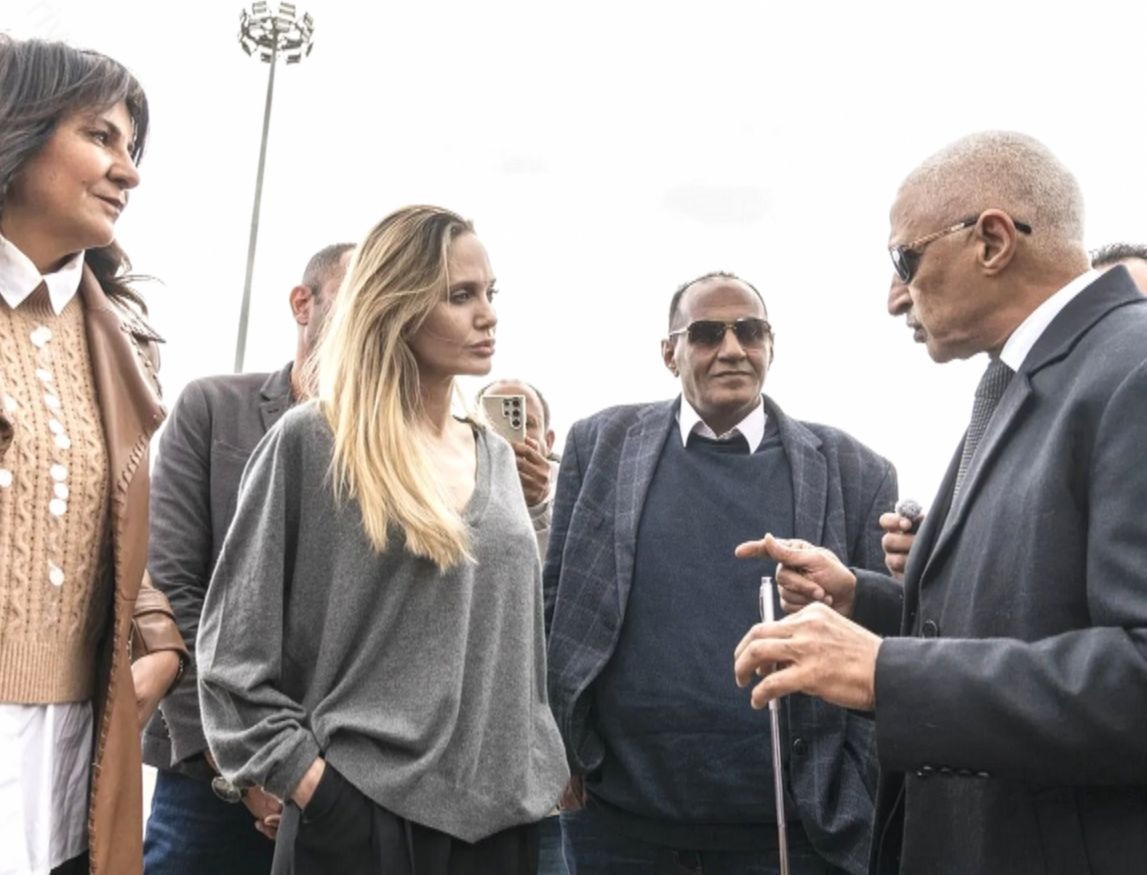
That dynamic played out once again after Angelina Jolie appeared in Egypt during a humanitarian visit near the Gaza border. The trip itself had nothing to do with premieres, fashion, or red carpets. Jolie traveled to the Rafah crossing to personally observe how humanitarian aid is delivered to Palestinian territories — a critical and severely restricted lifeline in the region.
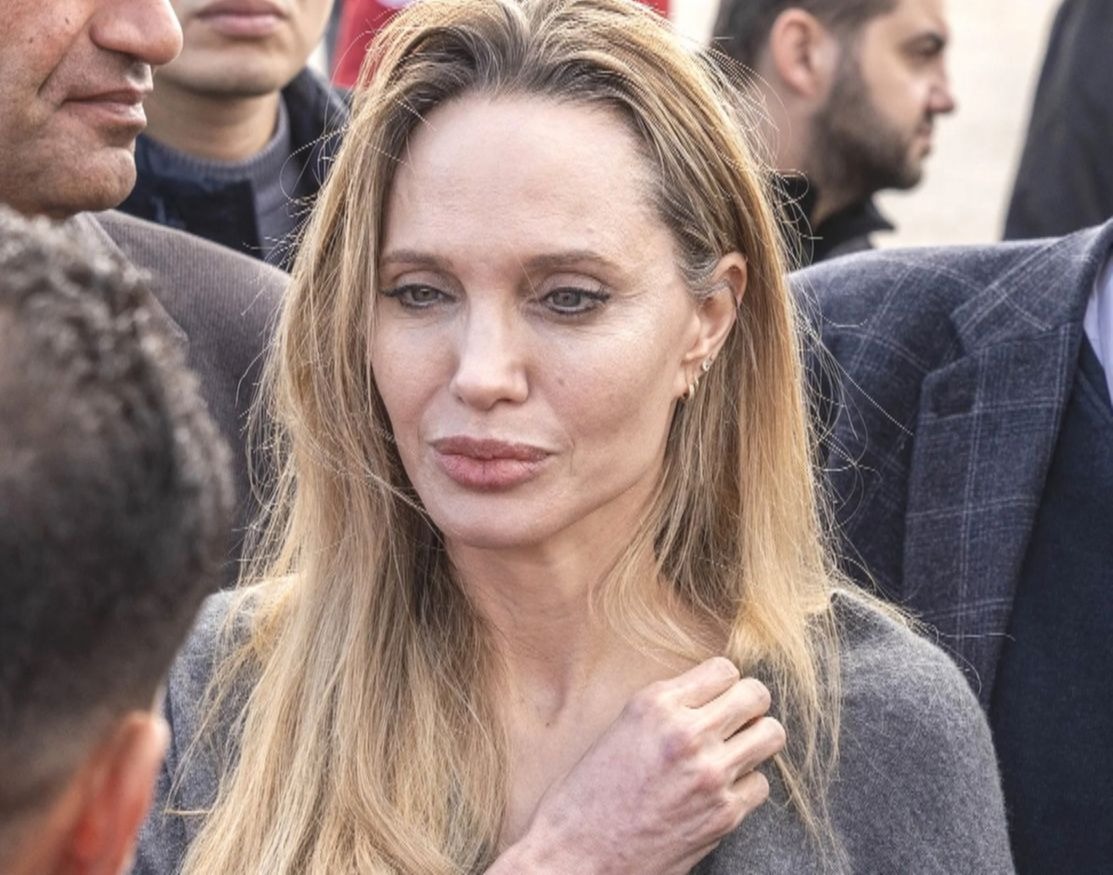
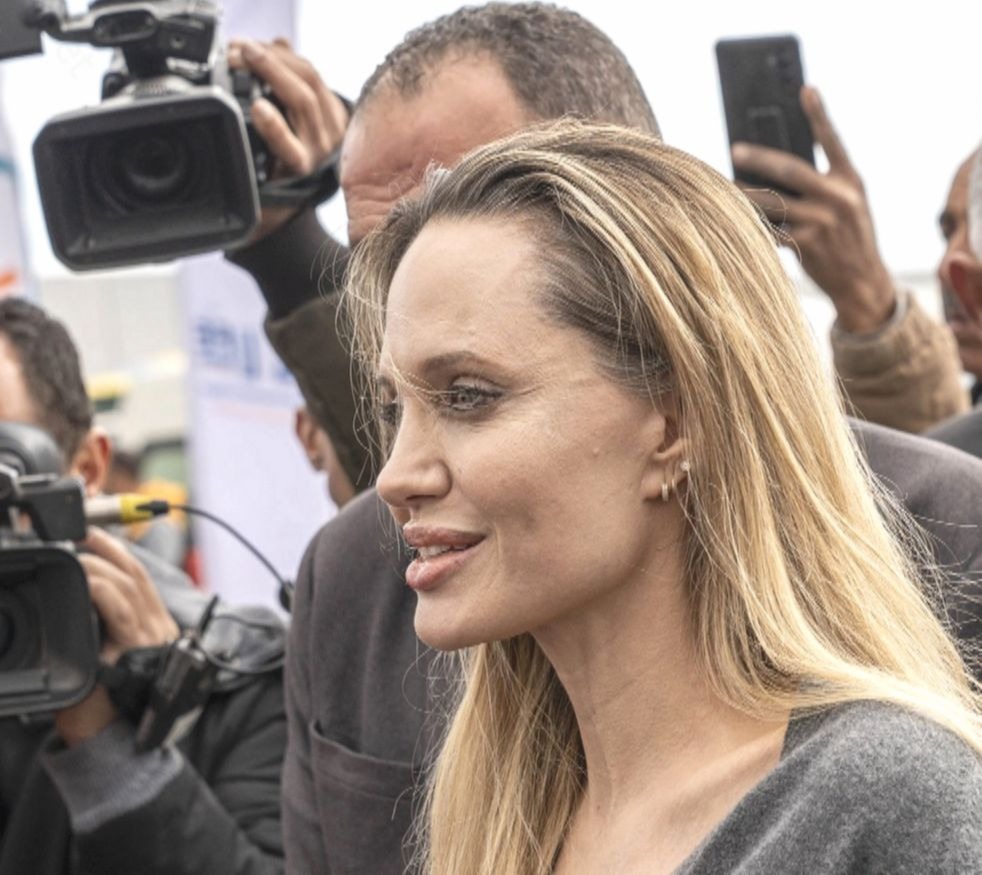
There was no glamour attached to the visit. Jolie wore a simple gray sweater, her hair loose, her face almost bare of makeup. At 50, she looked exactly like someone who had endured long flights, tense meetings, and emotionally heavy conversations. It was a practical appearance, not a curated one.
Once the photos surfaced online, however, the discussion veered sharply away from humanitarian concerns. Attention quickly shifted to the actress’s face — the lines around her eyes, the absence of cosmetic polish, the visible signs of age. The reaction was immediate and intense.

A wave of commentary flooded social media, much of it disturbingly celebratory. Some users appeared almost relieved, proclaiming that the “most beautiful woman in the world” had finally become ordinary. Others openly reveled in the moment, claiming that without professional makeup and retouching, Jolie was no different from anyone else. The tone grew increasingly cruel, with some even suggesting she could now play witches or mystical creatures without special effects.
“This is her real face,” some wrote. “Just a normal aging woman.”
A few voices went further, attempting to dismantle her entire legacy. Claims emerged that Jolie’s beauty had always been manufactured — the result of marketing strategies and surgical precision rather than genetics. According to these critics, she was never exceptional at all, just a carefully packaged illusion.
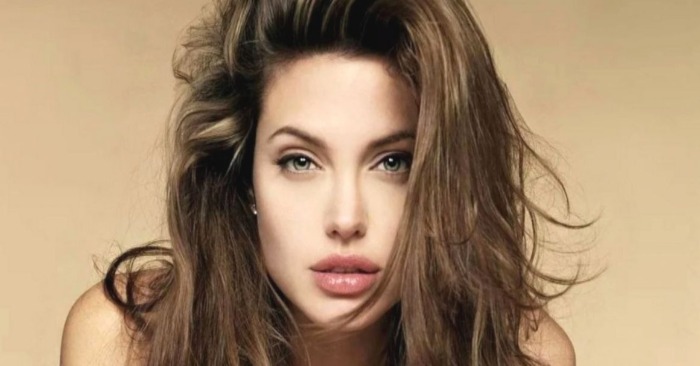
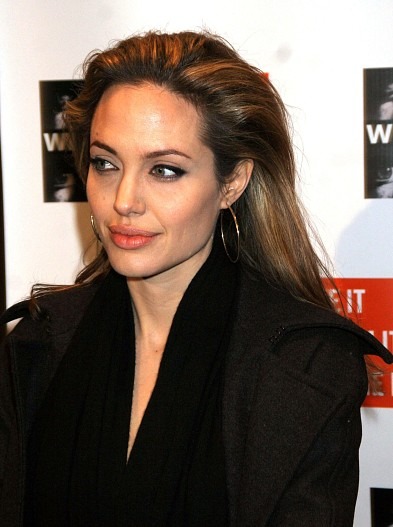
Yet archival photos tell a different story. Childhood and teenage images clearly show the same facial structure that later captivated audiences worldwide — the full lips, the distinctive eyes, the sharp jawline. Those features existed long before fame, stylists, or Hollywood machinery entered the picture.
Yes, cosmetic procedures are common in the industry. But Jolie’s evolution over time appears strikingly restrained. She didn’t erase her individuality chasing an artificial ideal. She aged — visibly and naturally — while retaining the core features she was born with. Her face reflects years of intense life experience: a turbulent youth, multiple pregnancies, serious surgeries, and relentless public scrutiny.
What’s striking is not that she looks older, but how aggressively some people seem to need her not to be extraordinary anymore. Perhaps the backlash reflects collective fatigue with filters and perfection. Seeing even a universally admired beauty age may feel like permission to accept imperfection.
But that permission often arrives wrapped in cruelty. Mocking an aging icon rarely comes from confidence — more often, it hides fear of one’s own reflection. The faces being laughed at today are mirrors waiting for everyone tomorrow.
We live in a paradoxical time: stars are demanded to be real, yet punished the moment they are.