
My name is Mira. I’m thirty-six, and I live on the outskirts of Portland in one of those neighborhoods that still feels gentle — porch lights on at dusk, neighbors who nod hello, children racing their bikes until dinner time. From the outside, my life looks calm, settled, almost postcard-perfect.
I’ve been married to Paul for seven years. He’s polished in every sense of the word — tall, well groomed, always dressed like he’s about to step into a boardroom. He works in finance and rarely lets his phone out of reach. At home, though, he slips easily into the role of devoted father.
We have four-year-old twins, Ellie and June. They look just like him — blond curls, bright blue eyes, identical dimples that appear whenever they’re plotting something mischievous. I adore them endlessly, even when they grind Play-Doh into the carpet or spill juice for the tenth time in a day.
Our routine was comfortable. A tidy house with white trim, a lemon tree in the yard, weekend trips to the farmers’ market. Friday nights meant animated movies on repeat and popcorn scattered everywhere. Paul never missed a birthday or anniversary. Sometimes I’d find sticky notes on the mirror with tiny hearts drawn in the corner.
He used to tell me I was his anchor — the calm that balanced his chaos. I believed him. Love doesn’t feel magical when you’re living inside it. It feels dependable. Heavy in a good way.
Everything changed the day my grandmother died.
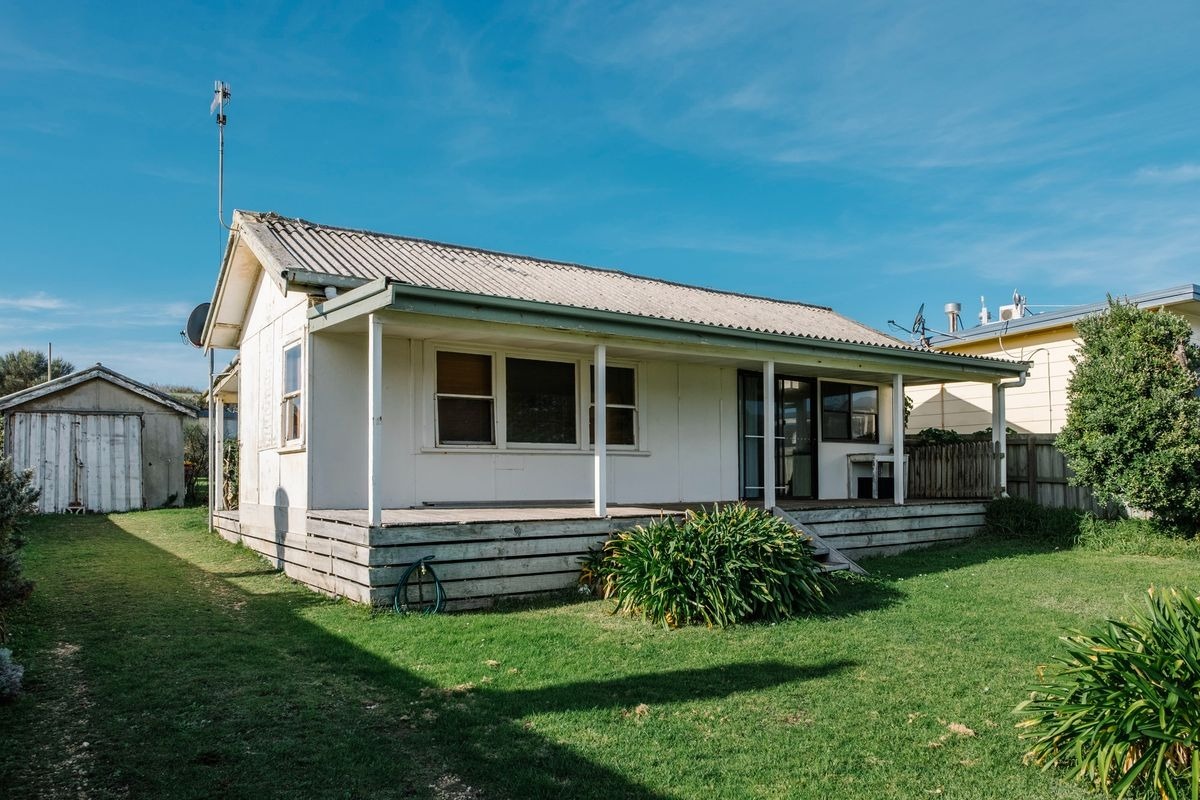
She was ninety-two and still living alone in the little house she’d owned for decades — the same house where my mother grew up. It sat on a hill surrounded by hydrangeas and old oaks, and it was where I spent most of my childhood afternoons.
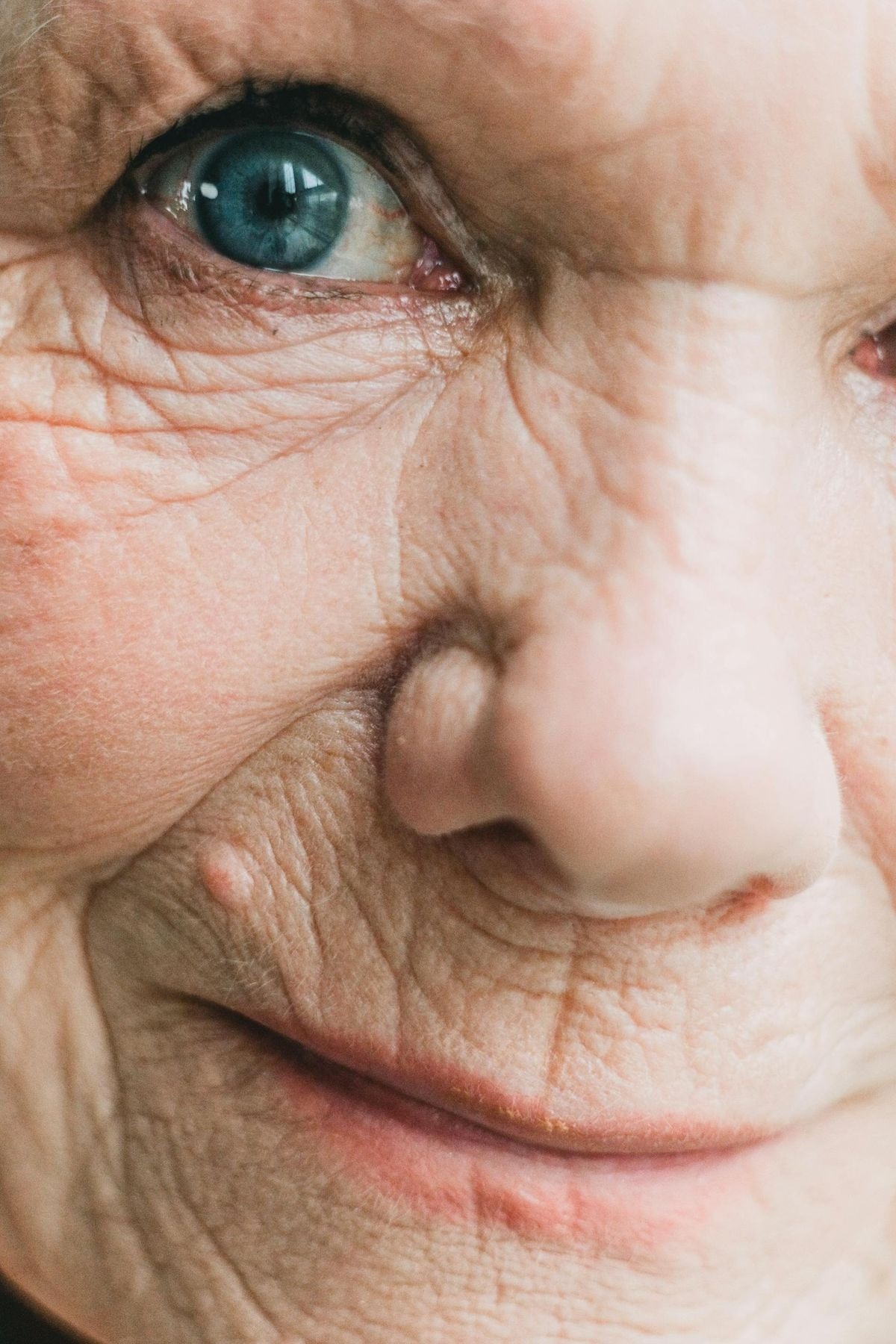
She baked lavender cookies, poured tea into mismatched cups, and told me stories about her youth during the war. The house always smelled like her — soap, tea, and that soft powdery perfume she never stopped wearing.
Paul came to the funeral and held my hand tightly. I thought his damp eyes meant he was grieving too.
Now I know better.
A few days later, I returned to my grandmother’s house alone to begin sorting through her things. I wasn’t ready to let go yet.
Paul didn’t like that.
“We should sell it,” he said flatly. “We need money, not sentiment.”
I stared at him, stunned. “She just died, Paul. Can we not rush this?”
“It’s an old place,” he replied, irritation slipping through his calm tone. “It needs repairs. Dragging this out doesn’t help anyone.”
I didn’t argue. I stood there holding the blanket she always kept on her chair, my throat tight.
Later, while I was in her bedroom, her neighbor — Mrs. Callahan — appeared at the garden gate. Her voice was barely above a whisper.
“If you knew what your husband has been doing here… while Elizabeth was still alive.”
She pressed an old brass key into my hand.
“The attic,” she said. “She told me to give this only to you.”
My pulse raced.
Paul was already heading to the car, absorbed in his phone.
I told him I’d come home later.
He protested briefly, then left.
I climbed the stairs slowly. The attic door was small and crooked, painted over many times. The lock clicked when I turned the key.
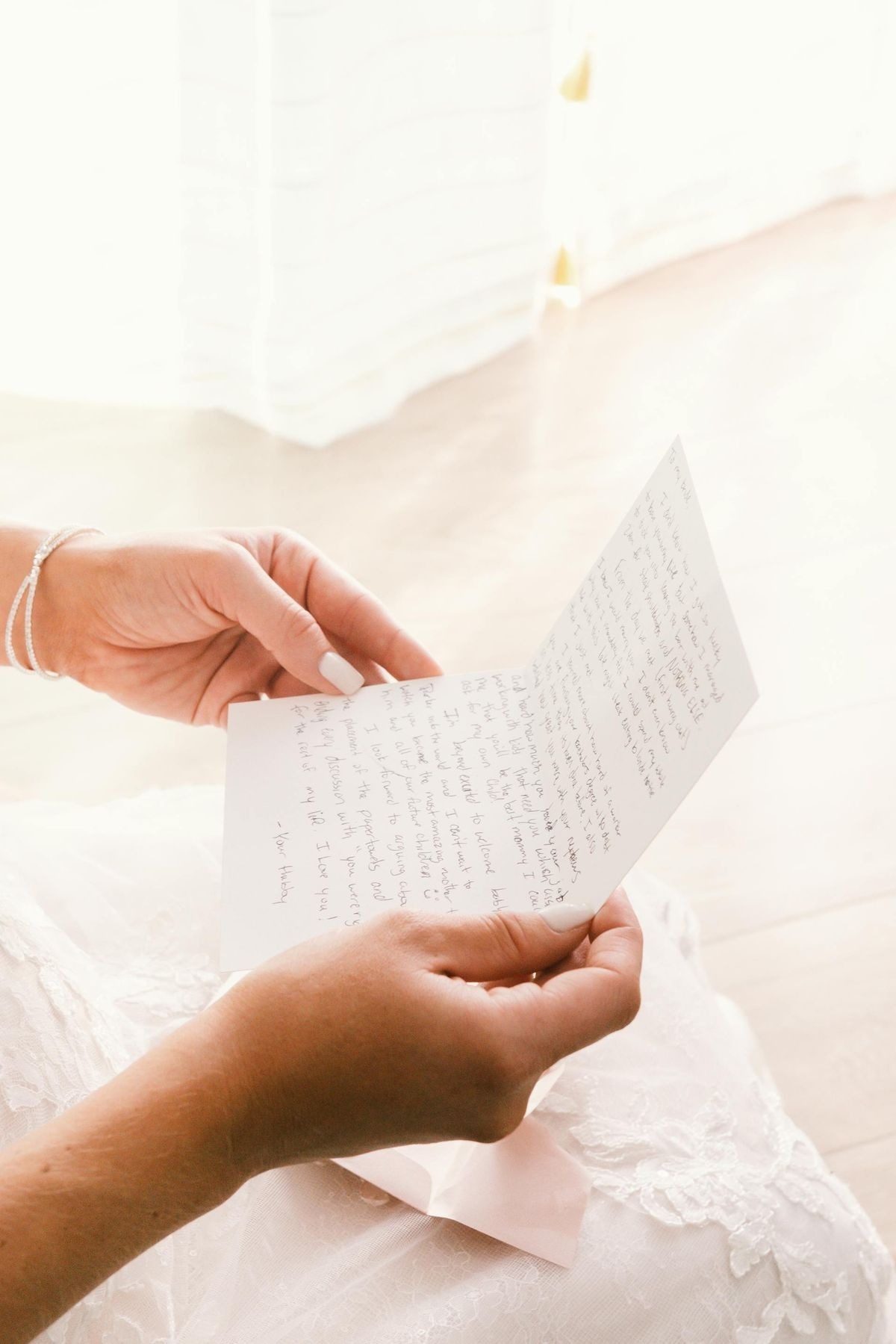
Inside, everything looked ordinary — boxes, books, folded blankets. Then I saw an old leather suitcase pushed against the wall.
I remembered it instantly. As a child, I’d pretended it was a pirate chest.
I opened it.
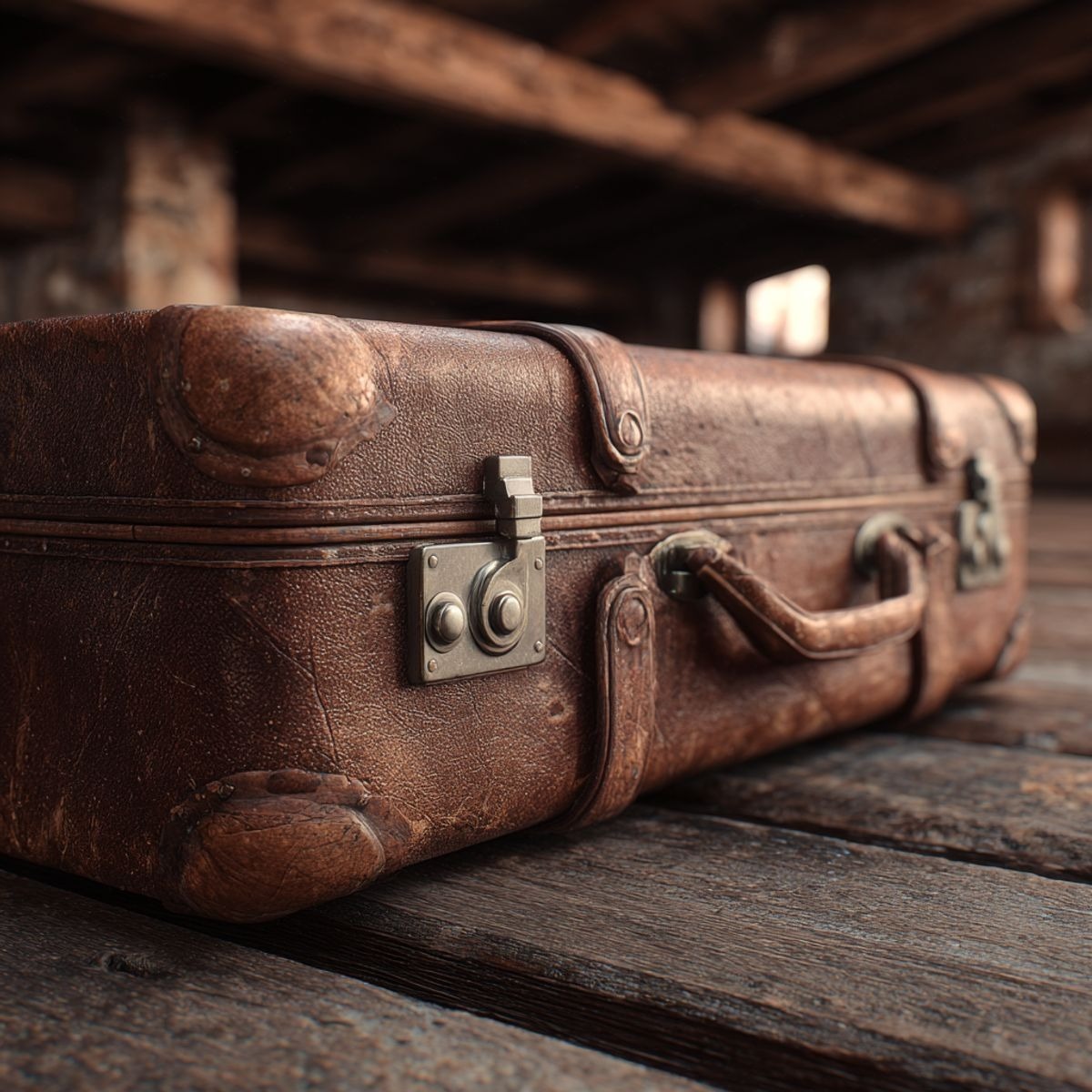
Inside were documents. Deeds. Financial papers. And an envelope with my name written in my grandmother’s shaky handwriting.
The letter explained everything.
Paul had been visiting her for over a year. Telling her we were in financial trouble. Urging her to sell the house and move into care. Warning her not to tell me — or it would “ruin the marriage.”
She wrote about how frightened she’d been. How polite he was on the surface, but how cold his eyes were. She admitted she signed preliminary papers out of fear — and regret.
Then came the final lines:
If I could prove he deceived her, the house legally belonged to me. She had already changed the ownership. Everything was documented.
I felt sick.
The man who kissed me goodnight had intimidated my dying grandmother.
That night, I secured the documents and didn’t sleep.
The next morning, I confronted Paul.
He denied it. Then minimized it. Then finally confessed.
He had lost most of our savings in a failed crypto investment. Panic had driven him. Fear had turned into lies.
“You did this to protect us?” I asked.
He begged. Promised therapy. Promised honesty.
But something fundamental had broken.
Within weeks, I filed for divorce.
I kept the house. I changed the locks. I hung my grandmother’s letter on the wall — not as a symbol of betrayal, but of protection.
Because even after she was gone, she still saved me.
And that changed everything.