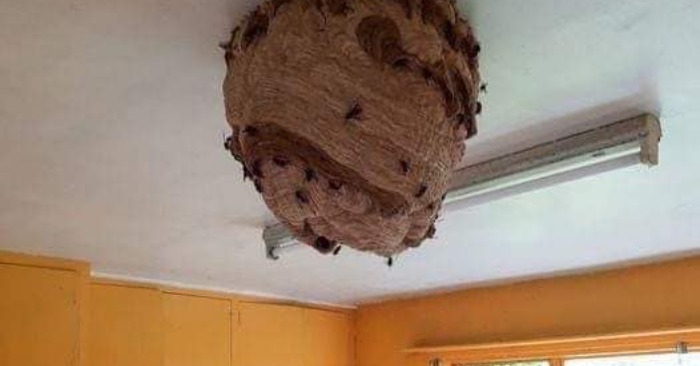
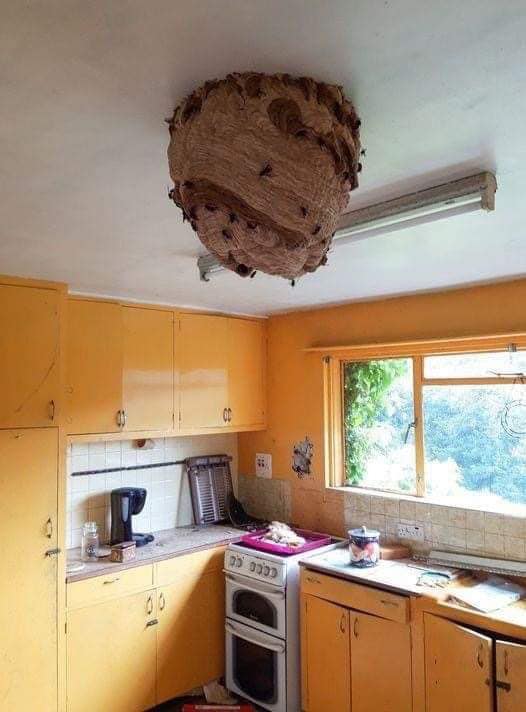
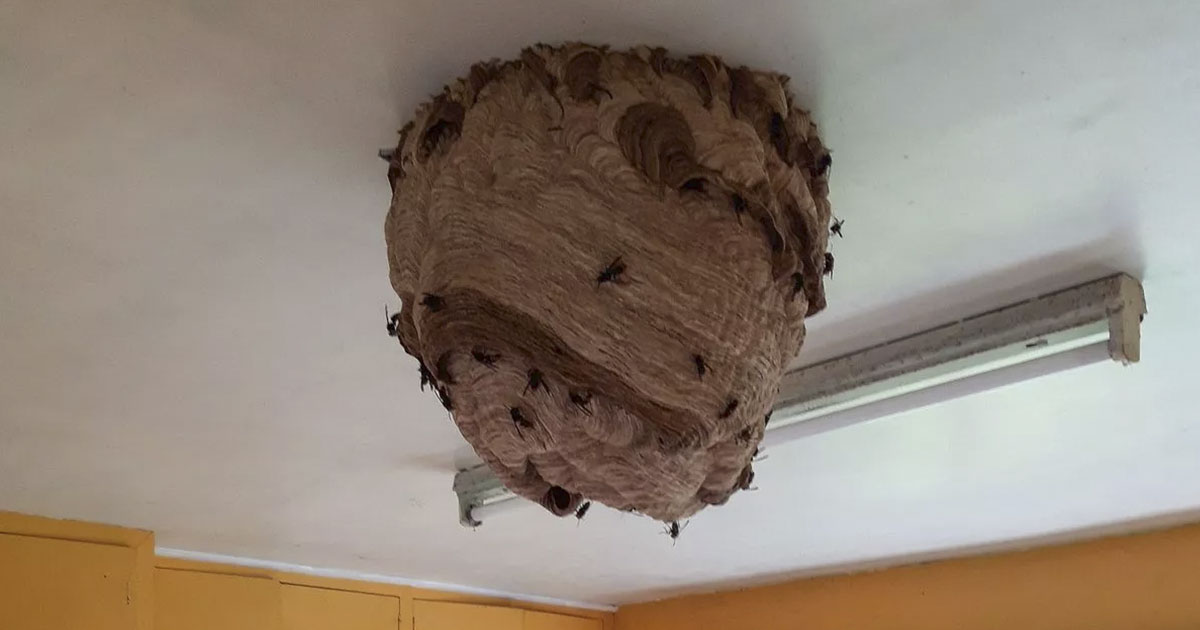
Officials have issued new warnings after several massive Asian hornet nests were found inside a deserted home in St. Brelades on the Channel Islands.
Asian hornets, scientifically known as Vespa velutina nigrithorax, are considered one of the most dangerous invasive insect species spreading across Europe. Originally native to Southeast Asia, they first arrived in Europe hidden inside cargo shipments before rapidly expanding across the continent.
Experts say the species poses a serious threat to ecosystems because it aggressively hunts honeybees and other pollinators, damaging local biodiversity and disrupting food chains.
The discovery in St. Brelades has added to growing alarm in the United Kingdom. Officials revealed that 171 Asian hornet nests have already been identified this year — a massive increase compared to the same period last year, when only 71 nests had been recorded.
Because the Channel Islands sit close to mainland Europe, experts warn the region remains especially vulnerable to new infestations.
Asian hornets often build nests in quiet, hidden locations including abandoned buildings, trees, bushes, sheds, roofs, and orchards. During colder seasons, they search for sheltered spaces where colonies can survive the winter.
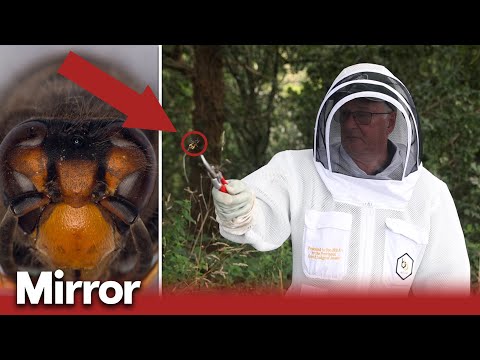
Authorities are now urging the public to stay extremely cautious if they encounter one of these nests.
Unlike many other insects, Asian hornets can become highly aggressive if disturbed and are capable of attacking in groups. Their stings are known to be extremely painful and can be dangerous for people with allergies.
Experts strongly warn against trying to remove a nest without professional help.

Instead, people are advised to:
Stay well away from any hornet nests you discover
Do not attempt to touch or provoke the insects
Notify local officials or wildlife authorities as soon as possible
Use licensed exterminators to handle nest removal safely
Close off gaps, holes, and entry points around your property to keep hornets out