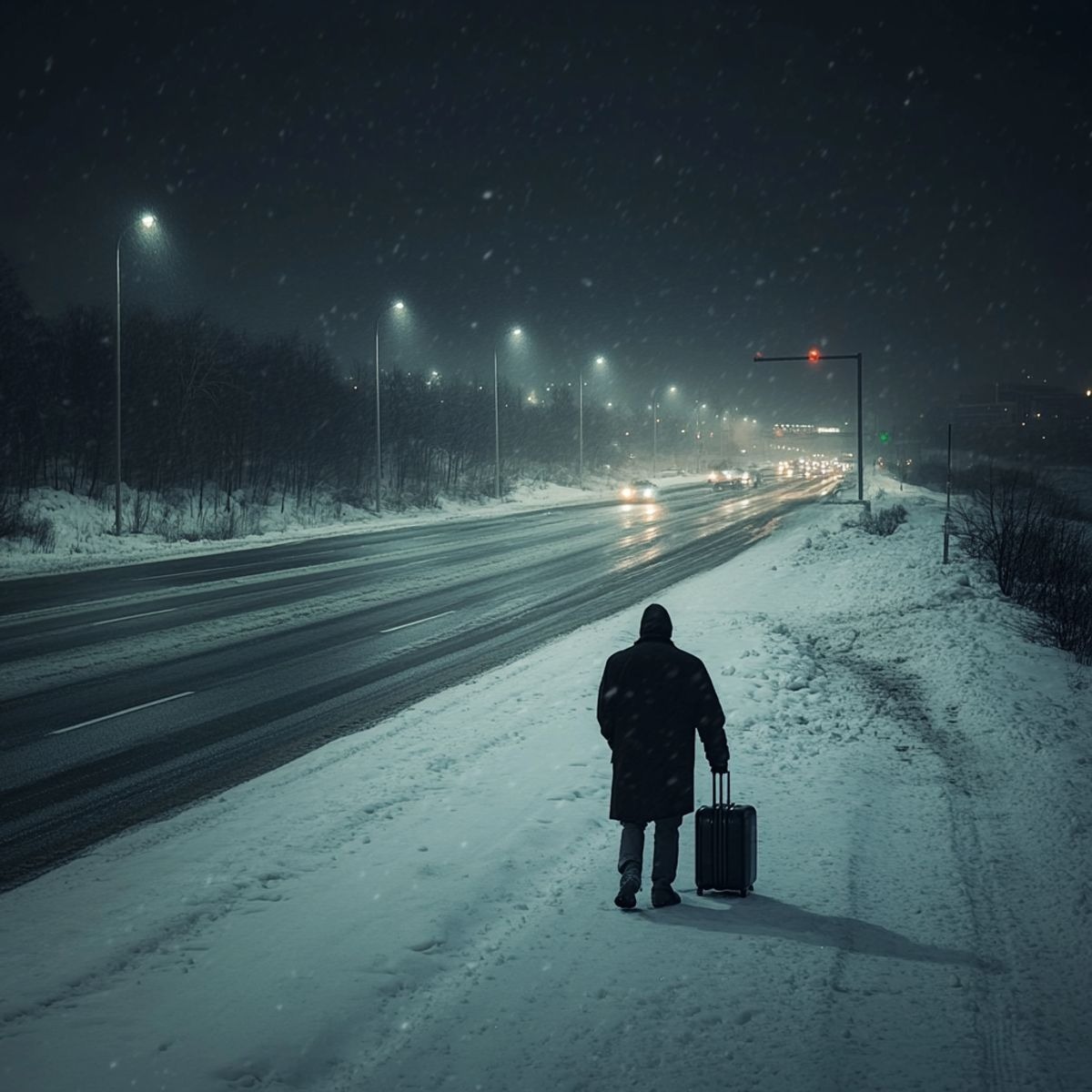
It was Christmas Eve, and the highway lay cold and silent ahead of me, buried under a thick layer of snow. On both sides, dark trees rose up, their branches heavy with frost.
My only thought was getting back to my kids. They were small, still at the age where time feels endless and parents feel like the whole world. I’d left them with my parents while I wrapped up a business trip—the first real assignment I’d taken since their father walked out of our lives.
He’d chosen someone else. A woman from work. The sting of that betrayal still lived somewhere in my chest, but that night wasn’t about him. It was about my children. About holding them again. About the quiet safety of home.
The highway bent suddenly, and that’s when I noticed him.
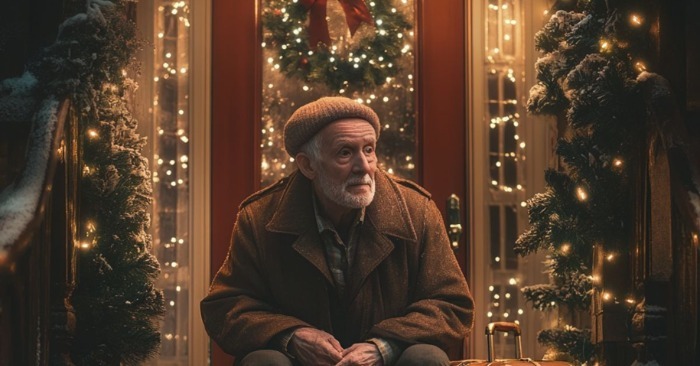
My headlights caught a lone figure moving along the shoulder of the road. An elderly man, hunched against the wind, pulling a dented suitcase that seemed far too heavy for him. His steps were slow, deliberate, as snow spun around him and clung to his threadbare coat. Something about him pulled at me—he looked uncannily like my grandfather, who’d been gone for years but never truly absent from my memory.
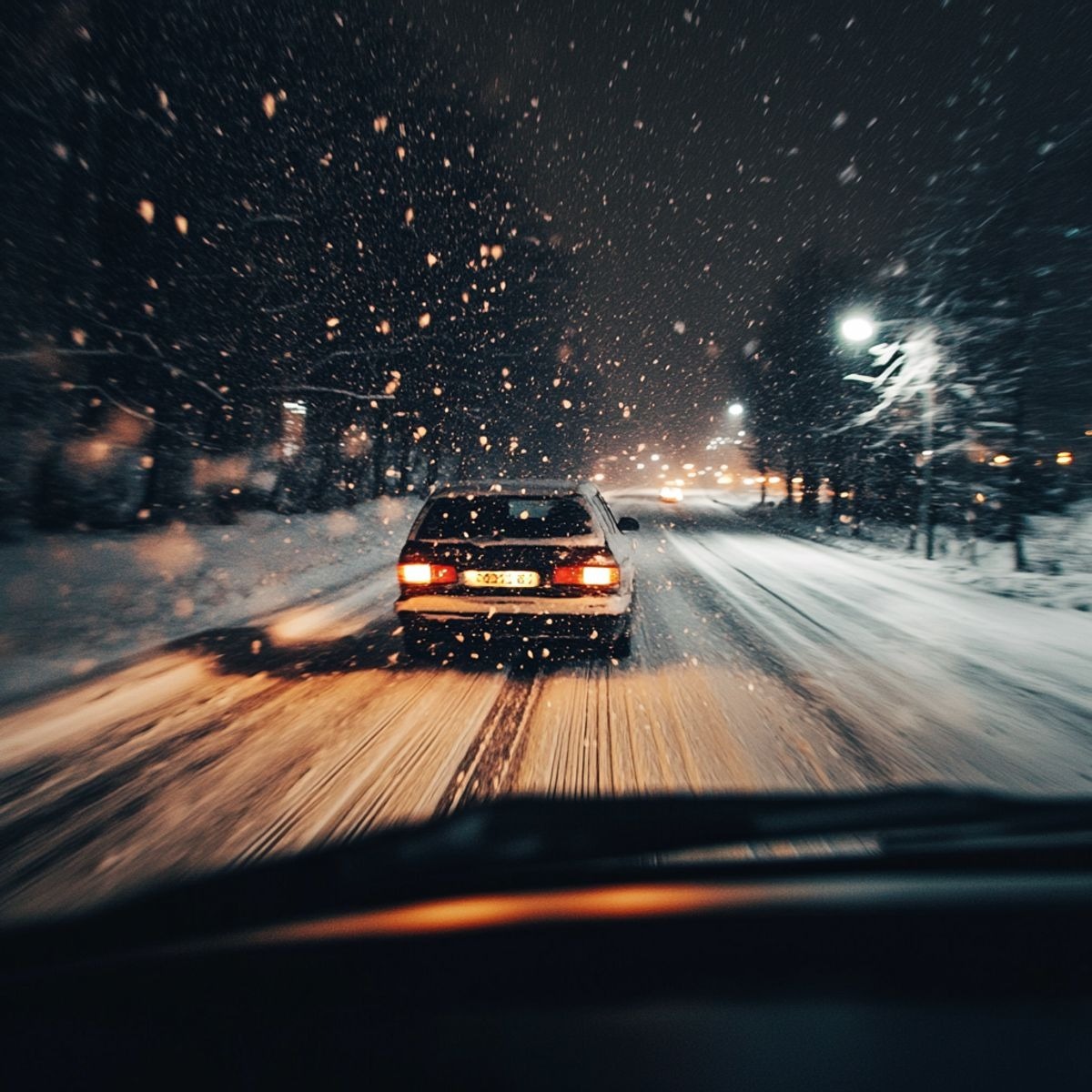
I eased the car onto the shoulder, the tires crunching against ice. For a second, I stayed frozen behind the wheel, doubt rushing in. Was stopping a mistake? Every warning, every late-night crime story flashed through my head. Still, I lowered the window and called out.
“Excuse me—are you alright? Do you need help?”
He stopped and turned. His face was drawn and pale, his eyes tired—but gentle. He approached slowly.
“Miss,” he said hoarsely, his words nearly swallowed by the wind, “I’m trying to reach Milltown. My family… they’re expecting me.”
“Milltown?” I said, startled. “That’s a long way from here.”
He gave a small nod. “I know. But I have to get there. It’s Christmas.”
I looked down the empty road behind me, then back at him. “You won’t last long out here in this weather. Please—get in.”
He hesitated. “Are you certain?”
“Yes,” I said firmly. “It’s freezing. Let’s not debate it.”
He eased himself into the passenger seat, clutching the suitcase as though it held his entire life.
“Thank you,” he whispered.
“I’m Maria,” I said, pulling back onto the road. “What’s your name?”
“Frank,” he replied.
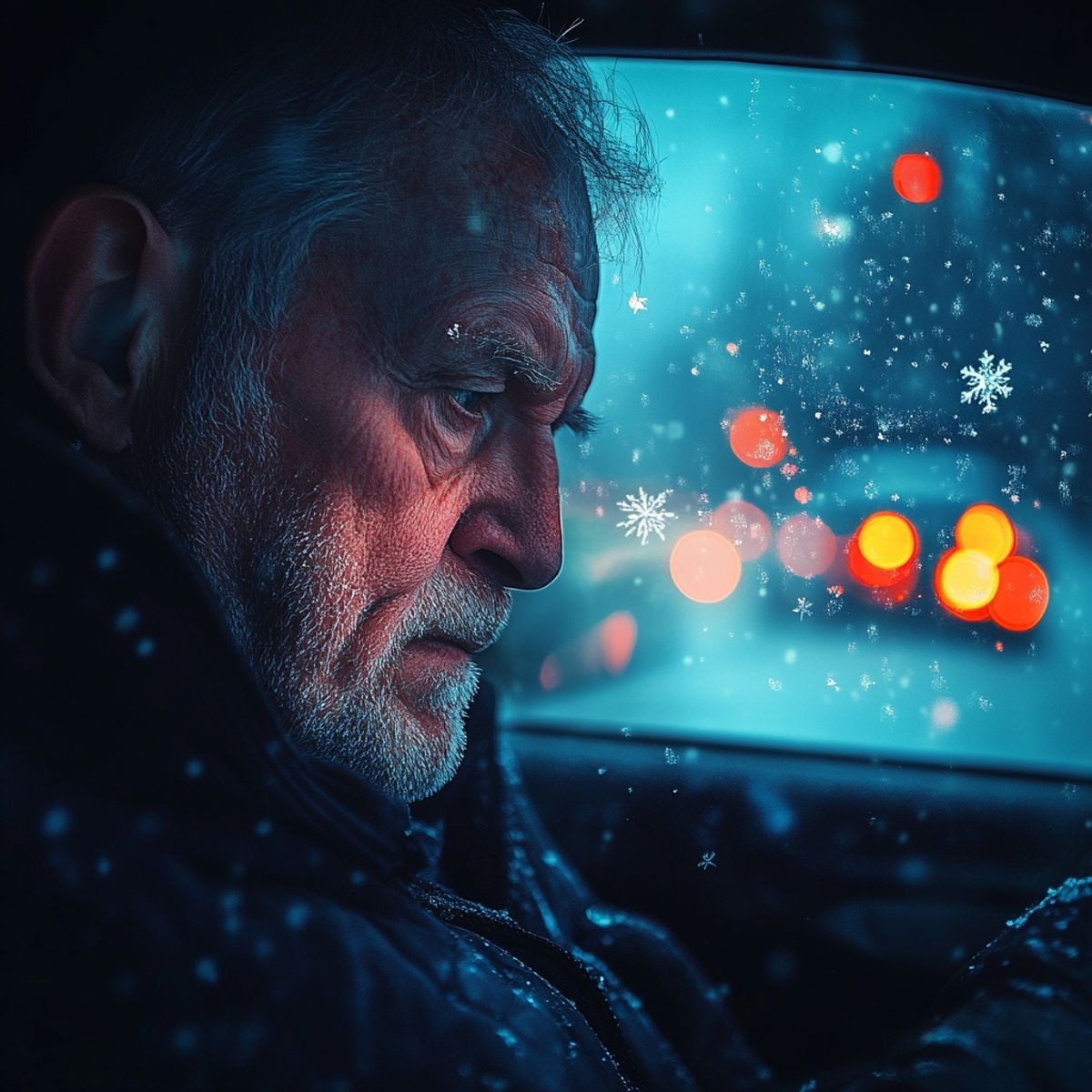
For a while, he said nothing more. He watched the snow swirl past the windshield, his coat visibly worn, his hands raw and red from the cold. I turned the heater up another notch, letting the warmth fill the car as we drove on.
“Milltown is far,” I said. “Do you really have family there?”
“Yes,” he said quietly. “My daughter and her children. I haven’t seen them in years.”
“Why didn’t they come pick you up?” I asked before I could stop myself.
Frank’s lips tightened. After a pause, he said, “Life gets busy.”
I bit my lip, realizing I’d hit something tender. “We won’t make it to Milltown today,” I said quickly. “You can stay with me tonight. With my parents. It’s warm, and my kids will probably be happy to have company.”
He gave a faint smile. “Thank you, Maria. That means a lot.”
The rest of the drive passed without conversation, the steady rush of warm air from the vents the only sound between us. By the time we pulled in, the snowfall had thickened, laying a fresh, heavy layer across the driveway. My parents opened the door almost immediately—concern written on their faces, though softened by the warmth of the holiday.

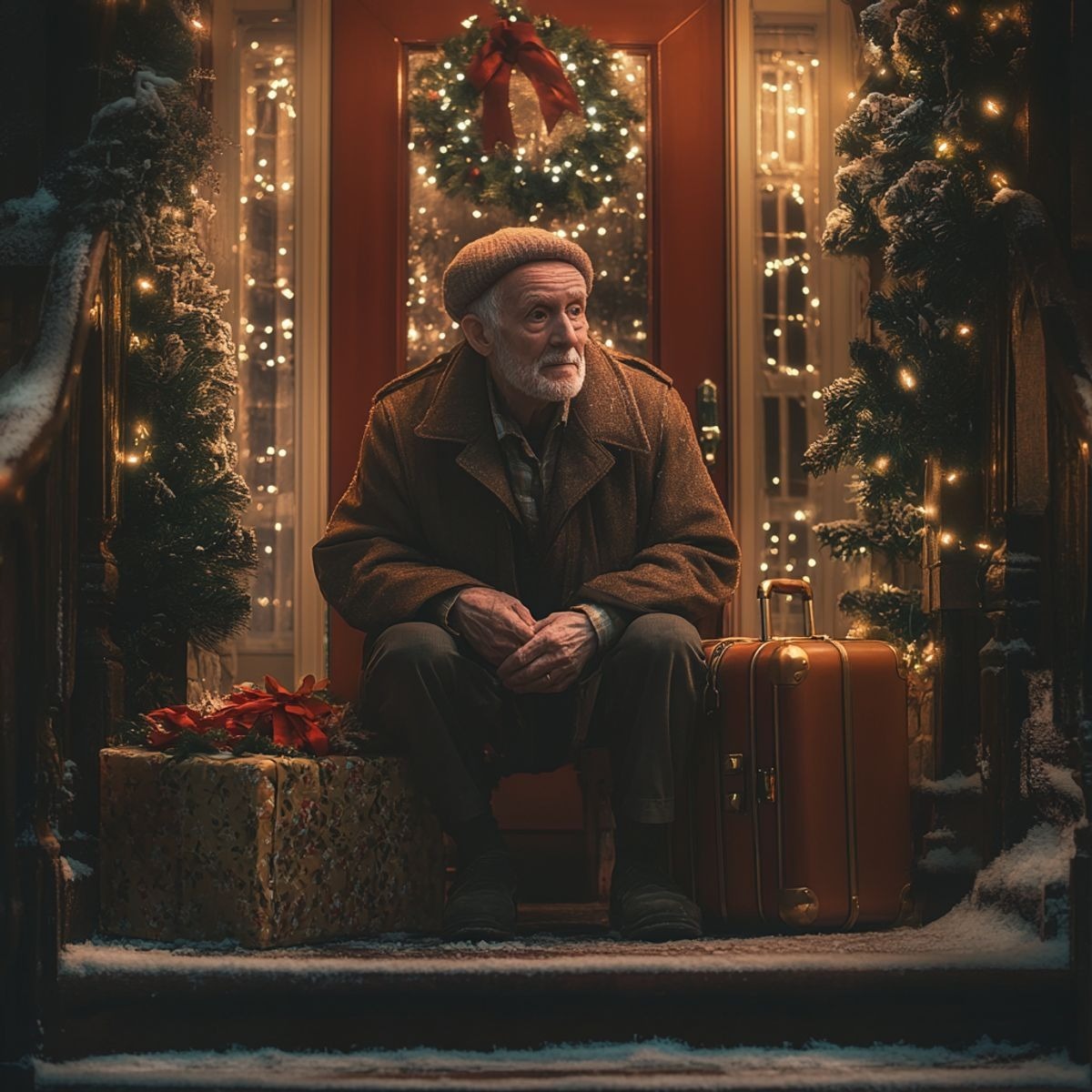
Frank paused just inside the entryway, gripping his worn suitcase as if it might vanish.
“This is far more than I deserve,” he murmured.
“Oh, don’t be ridiculous,” my mother said, brushing snow from his shoulders. “It’s Christmas Eve. No one belongs out in the cold tonight.”
“The spare room’s all set,” my father added, his tone careful but kind.
Frank swallowed, nodding. “Thank you,” he said quietly. “I won’t forget this.”
I showed him to the room, my mind buzzing with unanswered questions. Who was he, really? And how had he ended up alone on that empty highway on Christmas Eve? But it was a night meant for kindness, not interrogations. Whatever the truth was, it could wait.
Morning arrived wrapped in the scent of brewed coffee and warm cinnamon pastries. Emma and Jake came racing into the living room in their pajamas.
“Mom! Did Santa come?” Jake yelled, eyes locked on the stockings by the fireplace.
Frank stepped in behind me. He looked more at ease now, though the suitcase still hadn’t left his side. The kids stopped short.
“Who’s he?” Emma asked softly.
“This is Frank,” I said. “He’s celebrating Christmas with us.”
Frank offered them a gentle smile.
“Merry Christmas,” he said.
“Merry Christmas,” they replied in unison, their curiosity quickly pushing past their shyness.
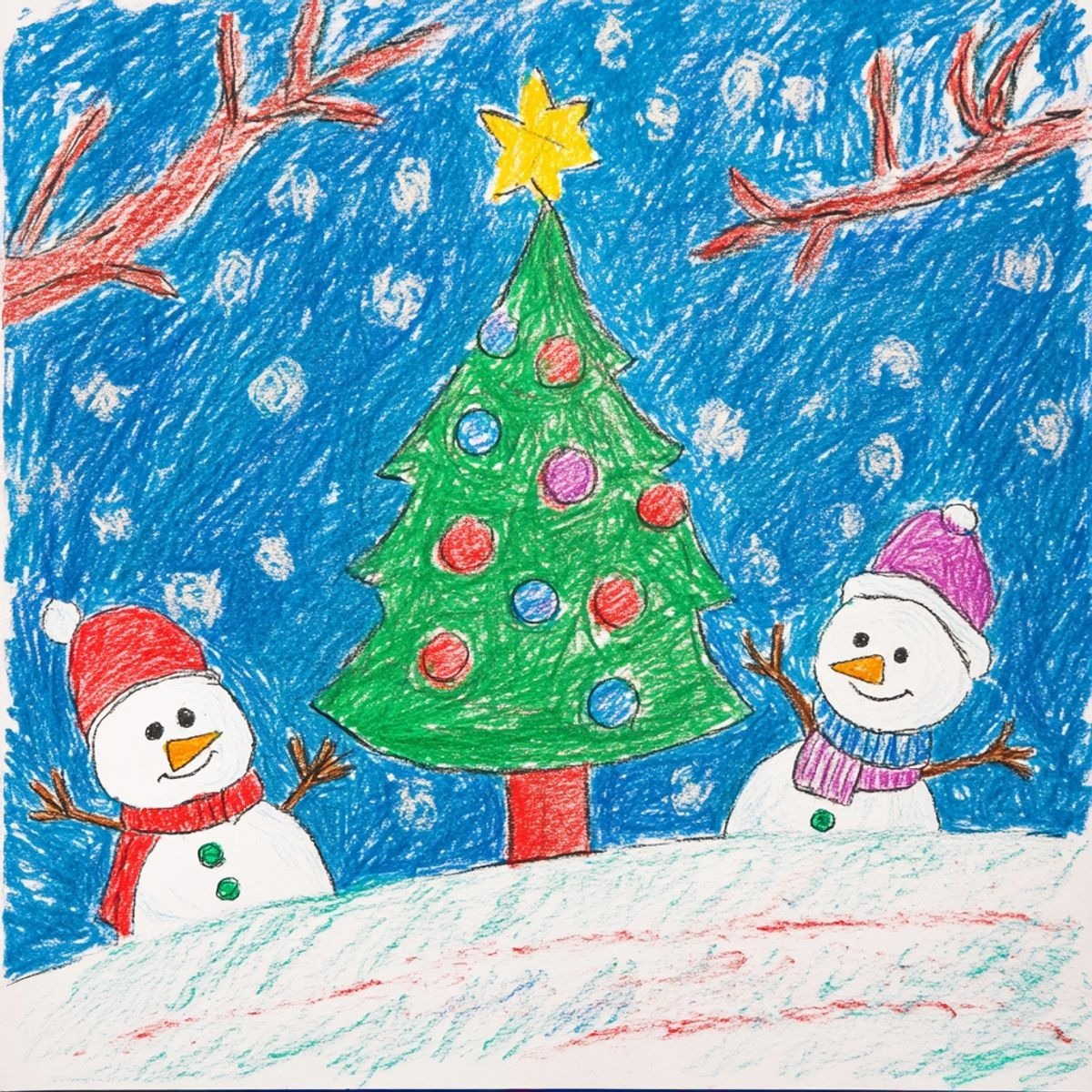
As the morning went on, Frank warmed up. He told the kids stories from his youth, and they listened, mesmerized. Tears gathered in his eyes when they gave him drawings they’d made—snowmen and Christmas trees in bright crayon.
“They’re beautiful,” he said thickly. “Thank you.”
Emma tilted her head. “Why are you crying?”
Frank looked at me, drew a deep breath, then turned back to the children. “Because… I need to tell you something. I wasn’t honest.”
I tensed.
“I don’t have family in Milltown,” he said softly. “They’re all gone. I… I ran away from a nursing home. The staff there wasn’t kind. I was afraid to tell you. Afraid you’d call the police and send me back.”
The room went silent. My heart clenched.
“Frank,” I said gently, “you don’t have to go back. We’ll find a solution together.”
My kids stared at me with wide eyes. My mother pressed her lips together. My father leaned back and clasped his hands.
“They treated you badly?” I asked finally.
Frank nodded. “They made us sit in cold rooms. They barely fed us. I couldn’t take it anymore.”
Tears ran down his face. I put my hand over his. “You’re safe here. You’re not going back.”
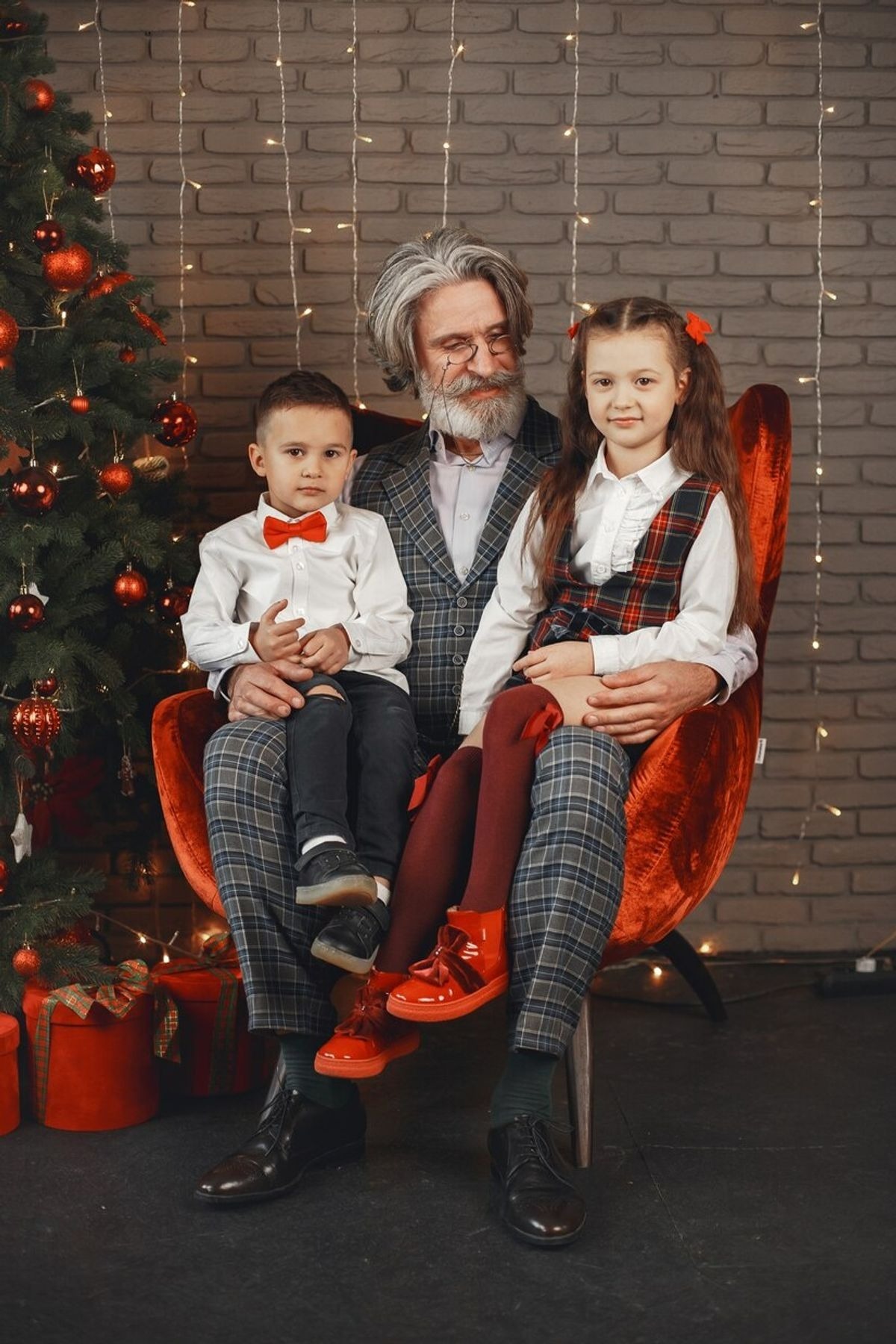
From that moment on, Frank belonged with us. He sat at our Christmas dinner table like he’d always been part of the family, and he told us about his life—odd jobs, his late wife, who had loved art.
In the days that followed, I couldn’t shake what he’d told us. After the holidays, I sat down with him. “Frank, we have to do something.”
He hesitated. “Maria, it’s over.”
“But not for the others,” I said. “We can help.”
Together, we filed a complaint. It was a draining process. Frank had to relive everything. Weeks later, the results came back: neglect and mistreatment were confirmed, staff members were fired, reforms were put in place.
“You helped so many people,” I told him as I hugged him.
“We did,” he replied.
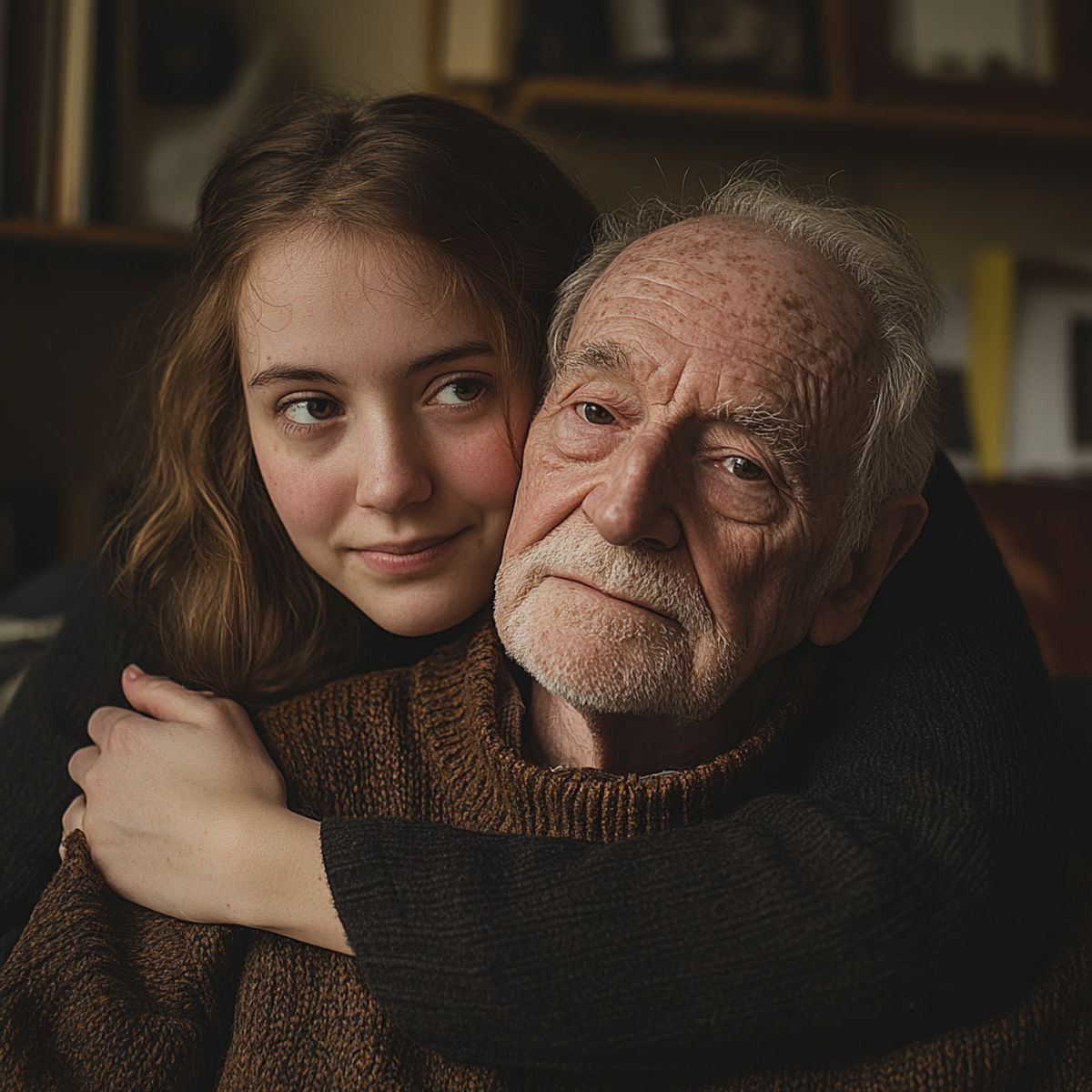
Frank stayed with us. To my children, he became the grandfather they’d never had. To me, he became proof of what humanity can do.
One evening, he came back with his suitcase and pulled out a carefully wrapped painting. It was colorful, alive.
“It belonged to my wife,” he said. “It’s worth a lot. It should secure your children’s future.”
I was speechless, but the look in his eyes left no room for argument.
The painting changed our lives—but even more than that, Frank changed our lives. His presence filled our home with something no amount of money could ever replace.