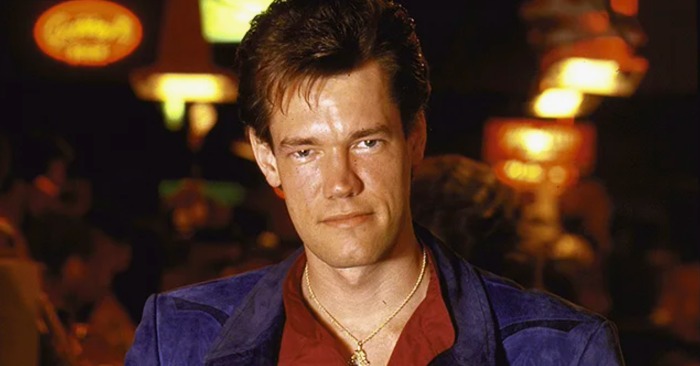
Randy Travis has lived through the kind of highs and lows that could fill several lifetimes. The country icon went from a troubled childhood and brushes with the law to becoming one of the genre’s biggest stars — only to later face personal turmoil and a devastating medical crisis that nearly ended everything. Yet more than four decades into his career, his story is still being written.
Born Randy Bruce Traywick, Travis discovered music at an early age. His father pushed him and his siblings hard, entering them in talent competitions and demanding near-perfect performances. Home life could also be frightening: Travis later recalled witnessing violence within the family and once hiding in a cornfield for days after confronting his father.

His teenage years brought another difficult chapter. Travis left school in ninth grade and repeatedly found himself in trouble with the law. At 17, however, a judge gave the aspiring musician another chance rather than sending him to juvenile detention, urging him to concentrate on his talent. That decision proved pivotal.
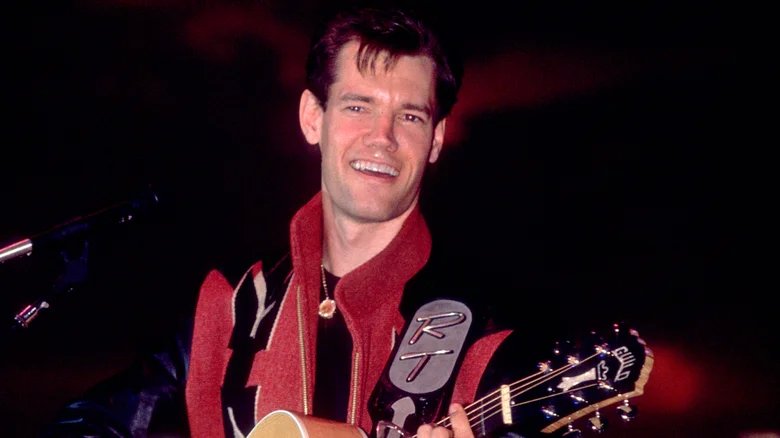
Success still didn’t come overnight. Record labels initially considered his traditional country sound too old-fashioned, but Travis refused to give up. After independently recording an album and performing on the local circuit, he eventually landed a deal with Warner Bros. His breakthrough followed, and “On the Other Hand” became his first No. 1 country hit. By 2002, Travis had accumulated 16 chart-toppers, including classics such as “Forever and Ever, Amen” and “Three Wooden Crosses.”
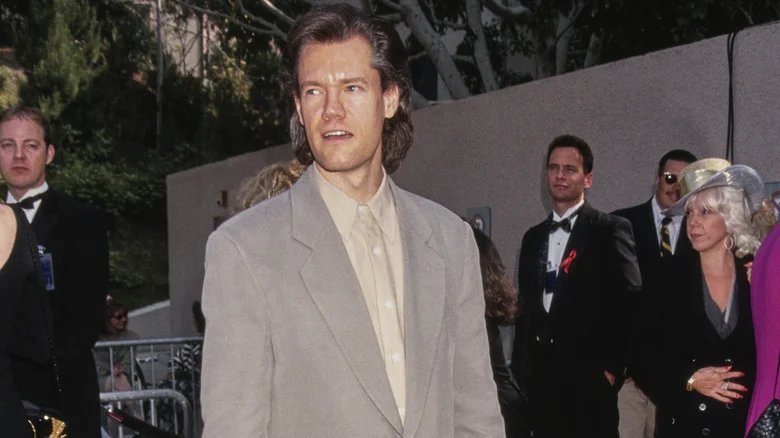
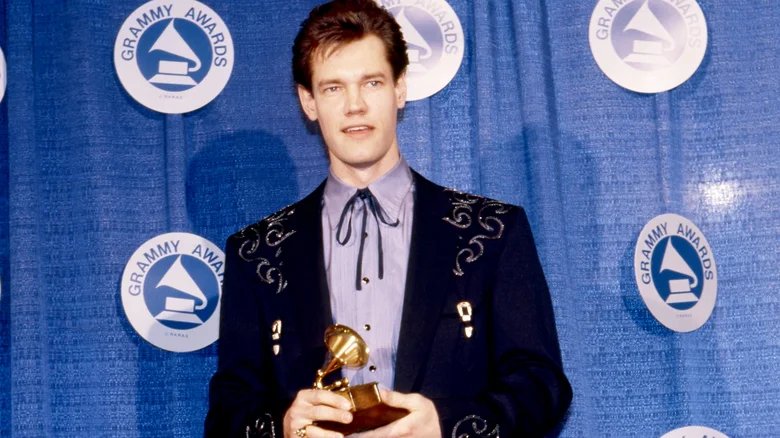
His success extended far beyond the charts. Travis collected major industry awards throughout the 1980s and later branched into acting, appearing in films and television productions including “The Rainmaker,” “Black Dog,” “Touched by an Angel” and “National Treasure: Book of Secrets.”
But behind the fame came turbulent years. His 19-year marriage to longtime manager Elizabeth “Lib” Hatcher ended in 2010 and was followed by an acrimonious legal battle. In 2012, Travis also faced several incidents involving alcohol and the law before beginning a personal rehabilitation effort the following year.
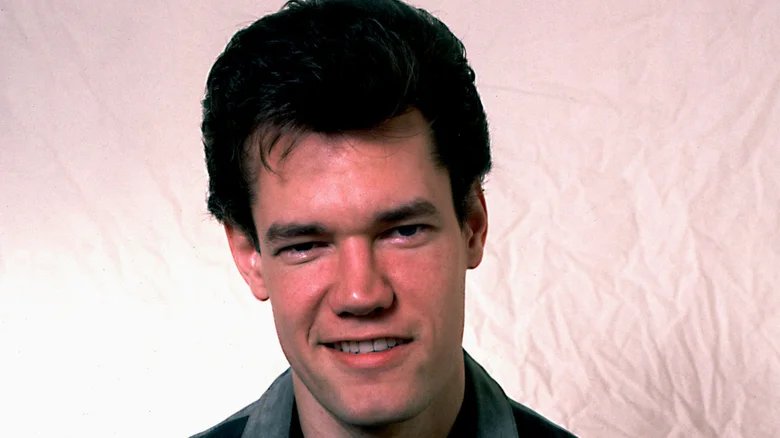
Then came the crisis that changed his life. In 2013, Travis developed serious heart complications and suffered a massive stroke. He required life support, major surgery, two brain operations and three tracheotomies during a six-month hospital stay. Although he survived, the stroke left him with aphasia, severely affecting his ability to speak and sing.
Through his recovery, Mary Davis remained by his side. The couple married in 2015, and she has frequently helped Travis communicate publicly. A year later, he received one of country music’s greatest honors when he was inducted into the Country Music Hall of Fame.
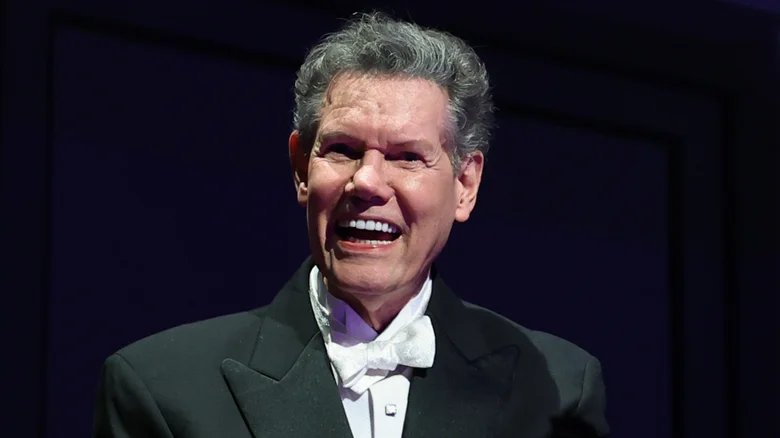
And remarkably, losing his ability to sing normally did not end his musical story. In 2024, Travis released “Where That Came From,” using AI-assisted technology and vocals from singer James Dupré to help recreate his unmistakable voice. The painstaking process reportedly took 11 months for a single song.
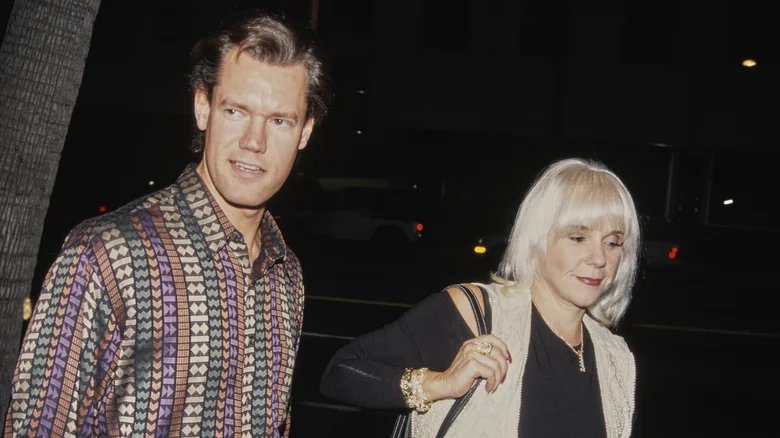
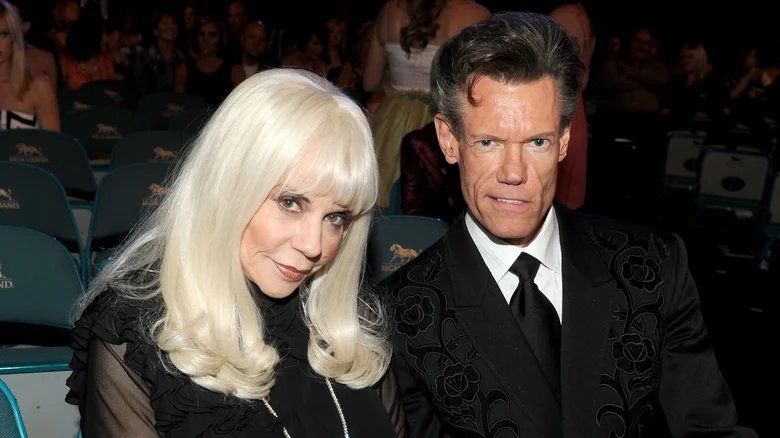
Then, in 2026, another surprise arrived. Travis released “Same Old Way,” his first album of original material in 18 years. This time, the project drew from previously unreleased recordings Travis had made before his stroke, allowing listeners to hear his real voice again on material that had remained in the vaults for years.
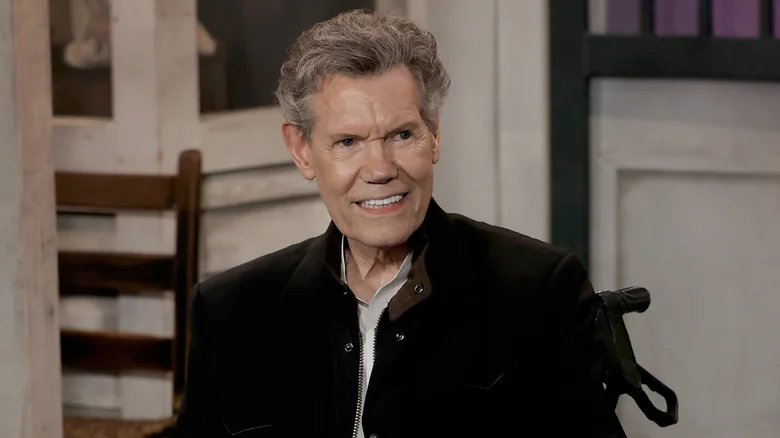
After childhood hardship, legal troubles, a bitter divorce and a medical emergency that nearly took everything from him, Randy Travis has managed an extraordinary return to the world he helped shape. He may no longer perform the way he once did, but his music — and his remarkable determination to keep going — remain very much alive.